White wine myths

Heather Williamson • 28 April 2023

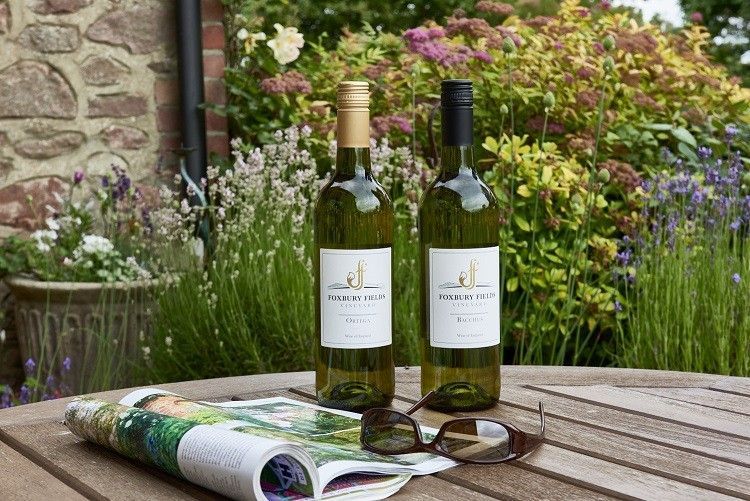
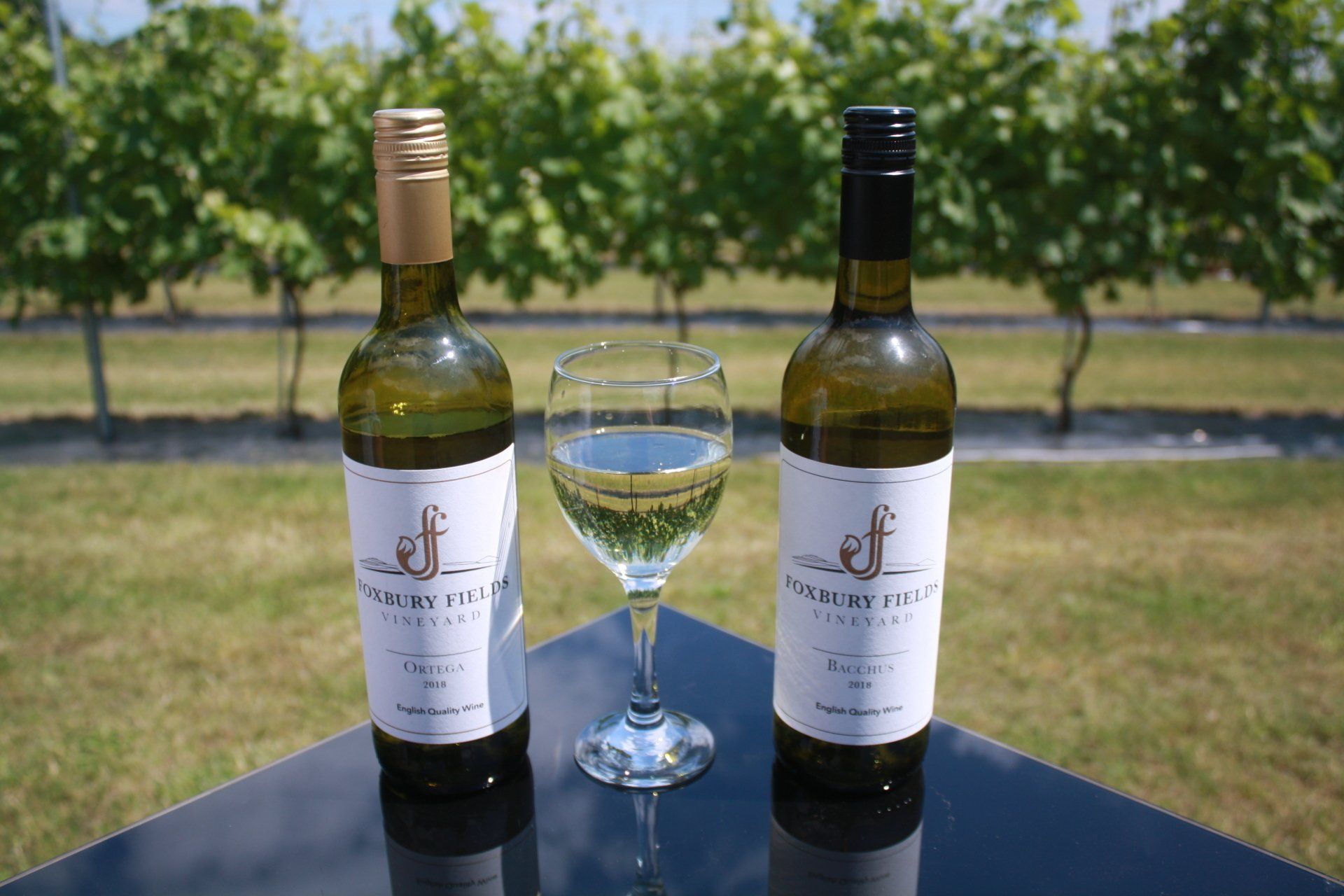
Being producers of some delicious English white wines, we have come across a lot of myths in our time, so we wanted to let you all know the facts from the fiction.


White wine is only made from white grapes – false


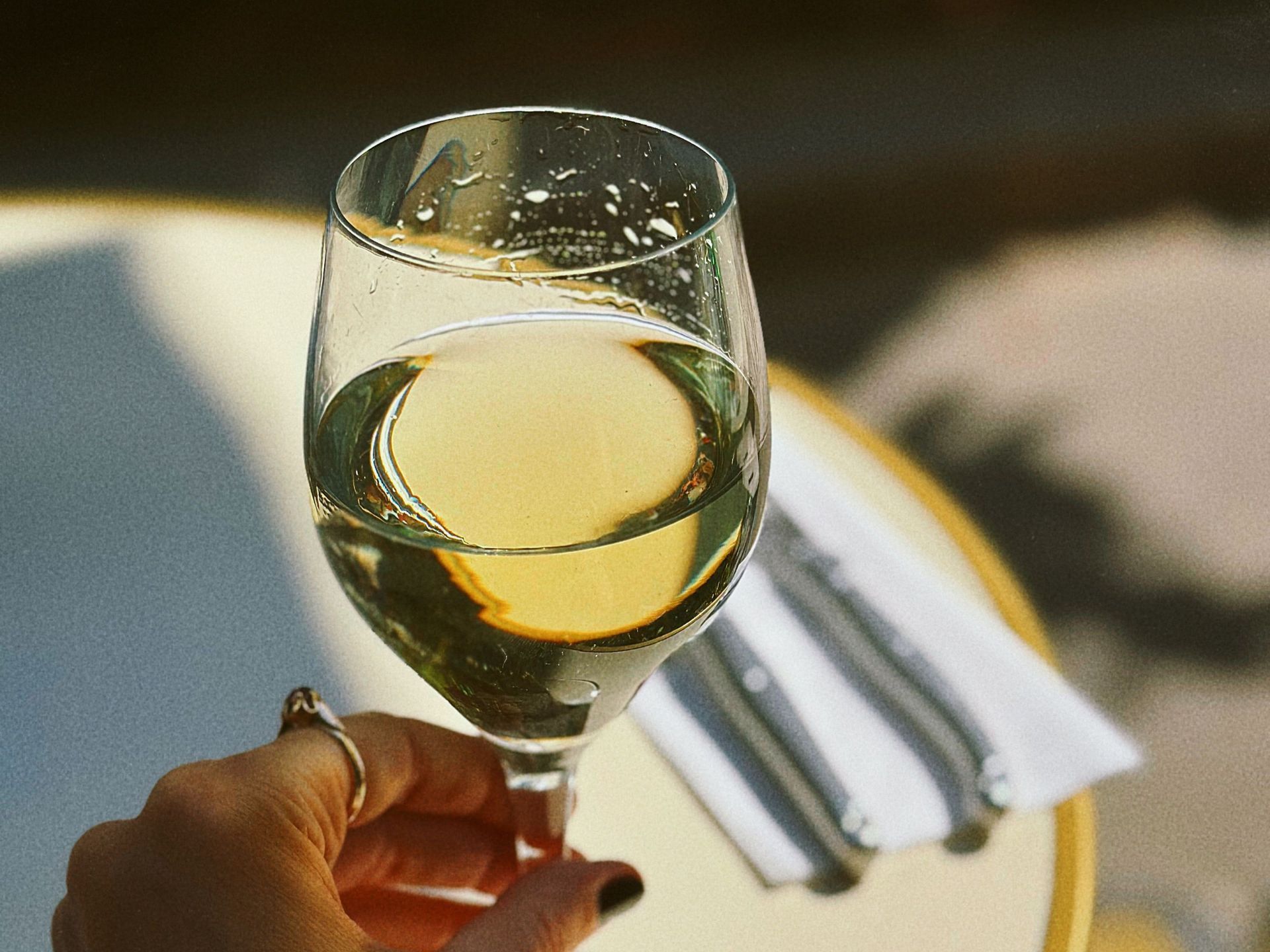
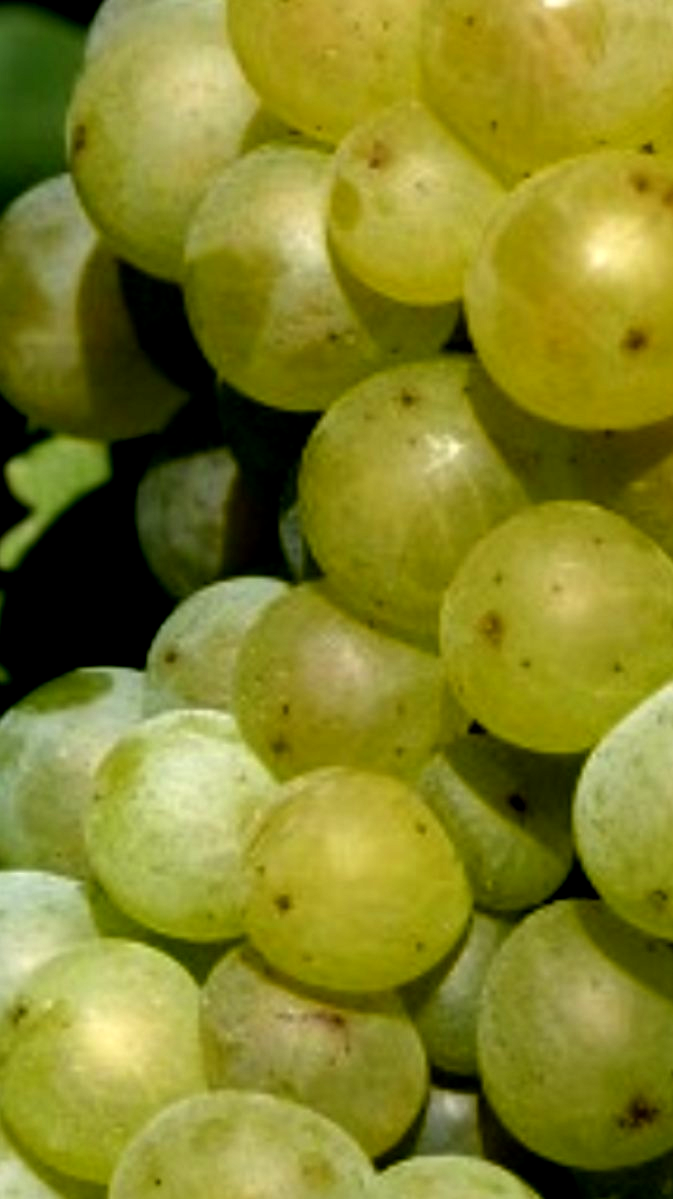
The majority of white wines are made from white grape varieties, which have a yellow/green-ish skin colour, but there are many wines out there that are made using dark grapes too.


To achieve a lighter colour to the wine, at the time of maceration, the skins on the grapes are prevented from resting with the ‘must’, which is what stains the wine’s juice and gives it a dark shade.


Grape must is the freshly pressed juice of grapes, which includes the skins, seeds and stems. 


You can’t pair white wine with meat – wrong


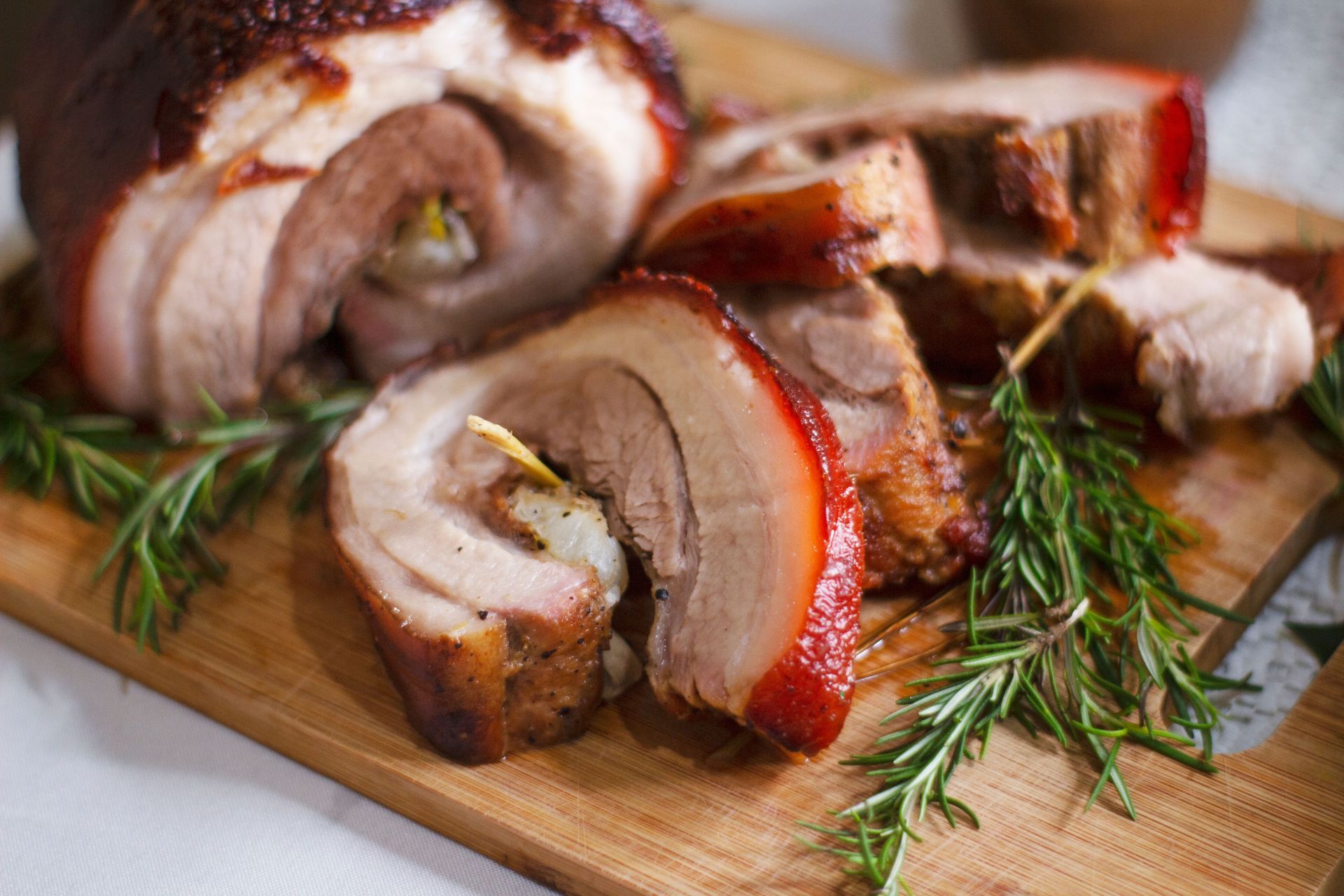
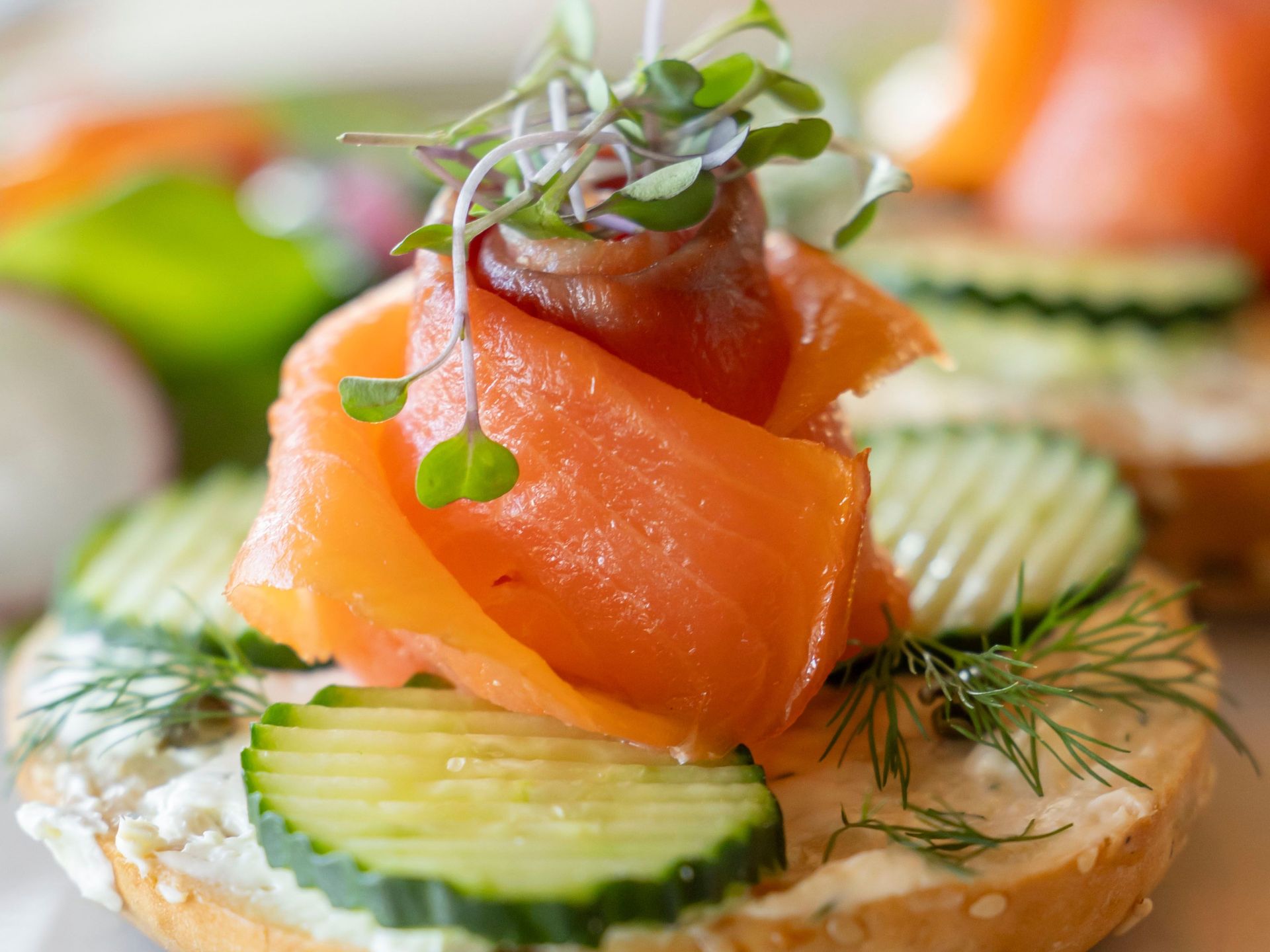
People often say you can only pair red wines with meat dishes, which is not true. White wines work wonderfully with chicken dishes, as well as fish dishes, but some whites can even work well with pork or other fatty meats.


Only red wine can be paired with cheese – as if!


This is a huge myth! White wine goes wonderfully well with cheese, especially soft, creamy cheeses such as brie, blue cheeses and even cured cheeses. Our Bacchus goes beautifully with goat’s cheese too.


So, get the white in…


Why not pick up a bottle or two of our Bacchus or Ortega English wines, available from our online shop and also from a selection of stockists near us here in Herefordshire?


by Heather Williamson 1 April 2026
If there’s one grape that has become synonymous with English still wine, it’s Bacchus. Often described as England’s answer to Sauvignon Blanc, Bacchus has captured the attention of winemakers and wine lovers alike and for good reason. Fresh, aromatic and beautifully expressive, it’s a grape that truly shines in our cool-climate vineyards. Vibrant aromatics Bacchus originated in Germany in the 1930s, created by crossing Müller-Thurgau with Silvaner. It was originally planted to bring vibrant aromatics to cooler wine regions, but it wasn’t until the grape reached English soil that its full potential really emerged. Our long, mild growing season gives Bacchus the time it needs to develop delicate aromatics while preserving bright, refreshing acidity. The result? A grape that feels tailor‑made for the English countryside. Expressive notes What makes Bacchus so distinctive is its flavour profile. Expect expressive notes of elderflower, gooseberry, hedgerow herbs and soft citrus – flavours that seem to echo the very landscape around it. On the palate, it’s crisp yet elegant, with a clean finish that makes it incredibly food‑friendly. It pairs beautifully with lighter dishes such as grilled fish, soft cheeses, spring vegetables and fragrant salads. Growing conditions Bacchus thrives in English growing conditions because it prefers cooler temperatures, slower ripening and the gentle balance of sunshine and rainfall found across our vineyards. These conditions help the grape retain its natural acidity while developing the characteristic floral and herbal aromas that Bacchus is known for. Most celebrated Today, Bacchus has become one of the most celebrated still wine varieties in England and it continues to define the modern identity of English white wine.  For producers like us, it’s a grape that delivers not only exceptional flavour but a true expression of place – a taste of the English landscape in every glass.
by Heather Williamson 1 April 2026
Every vineyard has its own beginning, and for us, that story starts with our co‑founders Heather and Richard, whose shared love of the countryside and passion for growing exceptional English wine inspired the very first vines. Rooted in the rolling Herefordshire landscape, the vineyard was created with a simple belief: that the land here had everything needed to produce wines of real character, authenticity and place. Rhythms of the land Heather’s connection to horticulture runs deep. Through her long‑standing family and business links with Wyevale Nurseries , one of the UK’s most respected growers, she has spent years immersed in the rhythms of the land – nurturing plants, understanding soils and working closely with nature. Establishing the vineyard became a natural extension of that experience and expertise. You can read more here . Family‑run approach From the start, the vineyard was planted and cared for by hand, with the family‑run approach shaping everything from pruning to harvest. Heather and Richard chose to focus on two distinctive English varieties – Bacchus and Ortega – both beautifully suited to the cool climate, gentle slopes and long summer days of their patch of Herefordshire countryside. Craft small‑batch wines Their winemaking ethos is simple: craft small‑batch wines that truly express the season. Each reflecting the sunshine, the rain, the cool snaps and the warmth that shaped the grapes. It’s a slow, thoughtful approach that puts quality above quantity and celebrates the character of the land itself. Craftsmanship What began as a shared passion has grown into a thriving vineyard rooted in family values, craftsmanship and a deep respect for nature. And as Heather and Richard continue to nurture the vines, our story grows too – one harvest, one bottle, one shared moment at a time. Plus, we’ll be sharing some exciting developments later this year too!
by Heather Williamson 26 February 2026
More couples than ever are choosing to bring their own wine to their wedding, giving them greater control over flavour, style and budget. But once you decide to choose your own bottles, the next question is: how much wine do you actually need? And what else should you consider to keep your day running smoothly? How much wine should you buy? A simple and reliable guide is to allow half a bottle of wine per guest for the wedding meal and early evening. That usually covers one glass at the reception and two glasses with dinner. For sparkling wine or fizz, plan for one bottle per five-six guests, enough for welcome drinks and toasts. Of course, different weddings drink differently. A relaxed summer celebration may need more chilled white wine, while an evening reception with a cocktail bar may mean you can reduce still wine quantities slightly. Always round up rather than down-running out is something no couple wants. Choosing wines that complement your menu From our perspective, many couples find that choosing local, characterful wines adds a personal touch to their day. Our Ortega and Bacchus are particularly popular choices for wedding meals. Ortega’s soft fruit notes pair beautifully with chicken, fish and vegetarian dishes, while Bacchus offers a crisp, aromatic freshness that lifts lighter starters and summery mains. Selecting wines that complement your menu can elevate the entire dining experience. Practicalities: storage, service & glassware If you’re supplying your own wine, check with your venue about chilling space, corkage fees, serving arrangements and glassware. Make sure someone is responsible for opening and pouring, and that sparkling wines are kept properly chilled. Planning  With a little planning, choosing your own wedding wine can be enjoyable, cost‑effective, and wonderfully personal. Cheers!
by Heather Williamson 26 February 2026
Cooking with white wine is one of the easiest ways to bring brightness, depth, and aromatic complexity to your everyday meals. Whether you’re preparing a simple pan sauce or slow‑braising tender chicken, the right wine can add layers of flavour that water or stock simply can’t replicate. As the alcohol cooks off, it leaves behind concentrated notes of fruit, acidity and subtle sweetness that enhance sauces, vegetables, seafood, and more.  One essential rule: cook with a wine you’d actually drink. A poor‑tasting wine won’t improve in the pan. Choosing the right wine Dry whites are typically the most versatile options in the kitchen. Classics like Sauvignon Blanc, Pinot Grigio, and Unoaked Chardonnay bring crisp acidity and balanced fruitiness. Sauvignon Blanc offers zesty citrus ideal for seafood, while Chardonnay adds gentle richness – perfect for creamy dishes. Our English wines But if you want to expand beyond the standard choices, aromatic English grapes like our Bacchus and Ortega can be fantastic additions to your cooking toolkit. Bacchus, known for its lively, herbaceous character and hints of elderflower, can brighten soups, vegetable dishes, and delicate sauces, adding a fragrant lift similar to Sauvignon Blanc but with a uniquely English twist. Ortega, softer and rounder, brings gentle stone‑fruit notes that work beautifully in cream‑based recipes, risottos and chicken dishes. Its mellow profile enriches sauces without overwhelming them. Avoid sugary wines unless a recipe specifically calls for sweetness and skip ‘cooking wines’, which are often acidic, salty and lacking in nuance. How to use white wine in cooking White wine shines in pan sauces, risotto, soups, and braises. Deglazing a hot pan with wine instantly unlocks savoury browned bits, forming a rich base for butter, herbs, or cream. A splash in marinades also helps tenderise proteins while adding elegant flavour. Experimenting with different white wines – traditional and aromatic – can transform everyday meals into something special. Cheers to creative cooking!
by Heather Williamson 30 January 2026
English wine has never been in a better position. Once considered a niche choice, it is now gaining widespread recognition for its quality, character and sustainability. Several key factors are driving this success and helping English wine stand proudly on the global stage. Harnessing a changing climate One of the biggest influences on the rise of English wine is climate change. Warmer, longer growing seasons are allowing grapes to ripen more reliably, while England’s naturally cool conditions still preserve the fresh acidity that defines its wines. This balance is particularly well‑suited to varieties such as our Bacchus – producing wines that are vibrant, elegant and food‑friendly. Improved skills & investment The growth of English wine has also been supported by increased investment and expertise. Vineyard managers and winemakers are continually refining techniques, from canopy management to harvest timing. Modern equipment and a deeper understanding of English soils mean producers can respond to each vintage with precision, resulting in consistently higher quality wines. Sustainability & appeal Sustainability plays a major role in English wine’s popularity. Locally produced and not flown around the world, English wine has a lower carbon footprint compared to many imports. Many vineyards also focus on environmentally responsible growing and production, which resonates strongly with today’s conscious consumers who want to support nearby, independent businesses. A shift in perception  Perhaps most importantly, attitudes have changed. Awards, positive media coverage and growing availability have encouraged people to choose English wine with confidence. Consumers are increasingly curious, proud to buy British and eager to explore what’s being produced closer to home. Together, these factors have created the perfect moment for English wine to flourish – and its future looks brighter than ever.
by Heather Williamson 30 January 2026
Managing an English vineyard is a truly hands‑on, year‑round commitment that demands patience, adaptability and a close connection with the land. Unlike warmer wine‑growing regions, English vineyards must work in harmony with a cooler, changeable climate, making careful planning essential at every stage of the season. Pruning It all begins in the vineyard during winter, when pruning takes place. This is one of the most important jobs of the year, shaping the vine and controlling how much fruit it will produce. Getting this right helps ensure healthy growth and balanced yields later in the season. As spring arrives, budburst follows, bringing both excitement and risk, as young shoots can be vulnerable to late frosts. Growing season Throughout the growing season, vineyard managers closely monitor vine health, focusing on canopy management to improve airflow and sunlight exposure. This reduces the risk of disease and encourages even ripening of the grapes. In England’s often damp conditions, vigilance is key, with regular checks helping to catch issues early and minimise intervention. Harvest Harvest time is the reward for all that hard work. Timing is critical; grapes must be picked at exactly the right moment to achieve the desired balance of acidity, sugar and flavour. Many English vineyards – like us – harvest by hand to protect fruit quality and allow careful selection. Sustainability  Beyond the vines, sustainability plays an increasingly important role. From soil care and biodiversity to responsible water use, modern English vineyards aim to protect the environment while producing high‑quality fruit. Ultimately, managing an English vineyard is about respect for nature, attention to detail and responding to what each year brings – all helping to create wines that truly reflect our landscape.
by Heather Williamson 7 January 2026
If you’re passionate about wine and want to deepen your knowledge beyond the glass, there’s a world of literature waiting for you. Whether you’re a casual sipper or a budding connoisseur, these books offer insight, history and practical tips for appreciating wine at its finest. Wine and Food: The Perfect Match Pairing wine with food is an art, and this book makes it accessible. It’s packed with practical advice for British favourites – from roast beef to fish and chips, which goes rather well with our wines – ensuring your next dinner party shines. The World Atlas of Wine by Hugh Johnson & Jancis Robinson Considered the bible of wine lovers, this beautifully illustrated guide explores vineyards across the globe. It’s ideal for those curious about terroir and the geography behind great bottles. Wine Folly: Magnum Edition by Madeline Puckette & Justin Hammack For a modern, visual approach, Wine Folly simplifies complex concepts with infographics and charts. Perfect for beginners who want to learn without feeling overwhelmed. Adventures on the Wine Route by Kermit Lynch This charming travelogue takes you through French wine country, blending storytelling with practical insights. It’s a delightful read for anyone dreaming of a vineyard holiday. Oz Clarke’s Wine Guide  No British wine book list is complete without Oz Clarke. His approachable style and expert recommendations make this guide a must-have for navigating supermarket shelves or planning a cellar.
by Heather Williamson 7 January 2026
English wine has undergone a remarkable transformation during the past two decades, evolving from a niche curiosity into a globally respected industry. Once overshadowed by France and Italy, England is now producing award-winning wines that rival the best in the world. Climate & craftsmanship The secret lies in climate and craftsmanship. Warmer summers and longer growing seasons – thanks to climate change – have created ideal conditions for grape varieties like our Ortega and Bacchus, as well as Chardonnay and Pinot Noir. Star of the show These latter two are the same grapes used in Champagne, which explains why English sparkling wine has become the star of the show. In fact, our counterparts at producers such as Nyetimber and Chapel Down regularly beat French counterparts in blind tastings. Distinctive character But English wine isn’t just about sparkling. Still wines, like ours, particularly crisp Bacchus whites and elegant Pinot Noirs, are gaining recognition for their distinctive character. With more than 900 vineyards across the UK, the industry now contributes significantly to the rural economy, creating jobs and attracting wine tourism. Why does this matter? English wine represents sustainability, innovation and we’re proud to be part of this burgeoning industry. Supporting producers near you reduces carbon footprints and strengthens communities. It also offers wine lovers a chance to explore unique flavours that reflect England’s terroir. Buy British  So next time you’re choosing a bottle, consider picking something that’s English and, where possible, produced on your doorstep. Whether it’s a celebratory sparkling or a refreshing white, like on of ours, English wine is no longer an underdog – it’s a world-class contender.
by Heather Williamson 28 November 2025
Looking to add a handmade touch to your Christmas table this year? A festive foliage candle arrangement is a beautiful, natural way to bring seasonal charm to your home – and it’s easier to make than you might think! Here’s how to create your own stunning centrepiece using fresh greenery and a little creativity and afterwards you can raise a glass of our wine to celebrate your successful creation. What you’ll need: A small round or square floristry dish (around 6–7 inches) An environmentally sound floral foam (cut to fit your dish) Florist tape A candle — either a tall taper or a classic church candle A selection of fresh foliage Gloves and sharp secateurs Optional decorations: pinecones, dried orange/lime slices, cinnamon sticks, baubles, and mini festive ornaments Florists wire (for securing decorations) Step-by-step guide : Prepare your base Cut your foam to fit snugly inside the floristry dish. Soak it thoroughly in water, then place it back into the dish. Use florist tape to secure it – tape across both sides and wrap around the dish but leave the centre clear for your candle. Add your candle Choose your candle style – a thin taper for elegance or a church candle for a traditional look. For a church candle, gently scrape out a hole in the foam to nestle it securely. Select and prepare your foliage Use a mix of fresh foliage to keep your arrangement looking vibrant for longer. Wearing gloves, trim each piece with secateurs, removing lower leaves to leave a clean stem for easy placement. Build your arrangement Start at the base, inserting one piece of foliage at a time. For a round shape, keep all pieces the same length. For an oval design, use shorter pieces on the sides. As you work upwards toward the candle, gradually shorten each layer to create a neat, tapered effect. Add festive flair Fill any gaps with extra foliage, then decorate with seasonal touches – pinecones, dried citrus slices, cinnamon sticks, baubles, or mini ornaments. Use florists wire to secure them in place. Care tips Keep your arrangement in a cool spot, away from direct heat, and water the foam regularly to keep the foliage fresh throughout the festive season.
by Heather Williamson 28 November 2025
Creating a refined dining experience begins with the details – and one of the most impactful yet often overlooked elements is the arrangement of wine glasses in relation to other tableware. A well-set table not only enhances the aesthetic appeal but also reflects thoughtfulness and sophistication, setting the tone for a memorable meal. Arranging glassware When arranging glassware, symmetry and accessibility are key. Begin by placing the water glass to the left, slightly above the main plate. This anchors the layout and serves as a visual starting point. Next, position the red wine glass to the right of the water glass, aligning it diagonally above the knife. This placement balances the setting and allows for easy reach. Serving white wine If serving white wine, place the white wine glass to the right of the red wine glass, forming a gentle arc that guides the eye and hand naturally. This arrangement ensures that each glass is within comfortable reach and clearly designated for its purpose. It also complements the overall flow of the table, harmonising with the placement of plates, cutlery, and napkins. Small touches Whether you’re hosting a formal dinner or a casual gathering, these small touches elevate the experience and show your guests that every detail has been considered. Once the glasses are in place, serving wine becomes an art in itself. Present each bottle with care, pour with precision, and match the wine to the appropriate glass.  With a thoughtfully arranged table and a graceful presentation, your guests will not only enjoy the meal but also appreciate the ambiance you’ve created.
Show More