Understanding English terroir
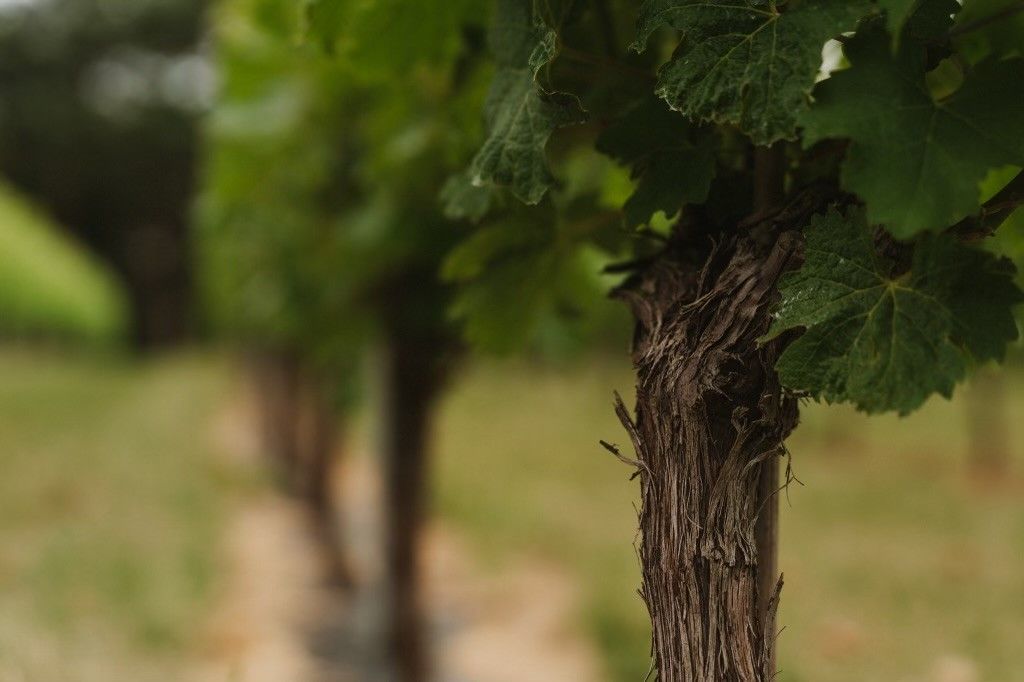
Terroir is a French term used to describe how a wine’s environment shapes its character.
It includes factors such as soil, climate and landscape, all of which influence how grapes grow and how the finished wine tastes.
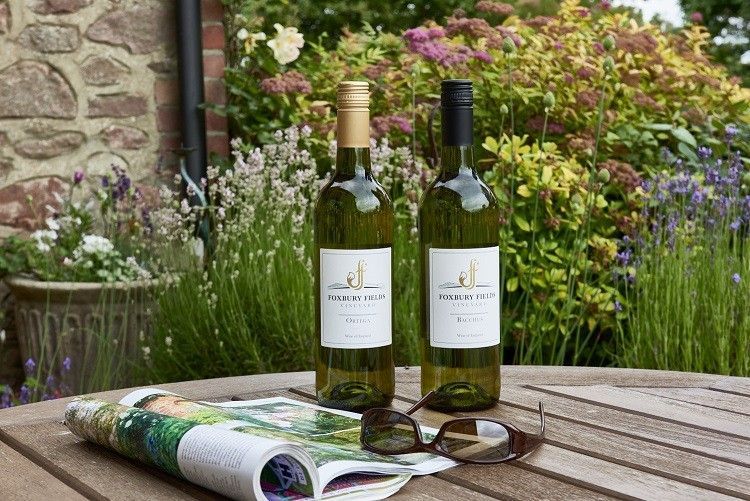
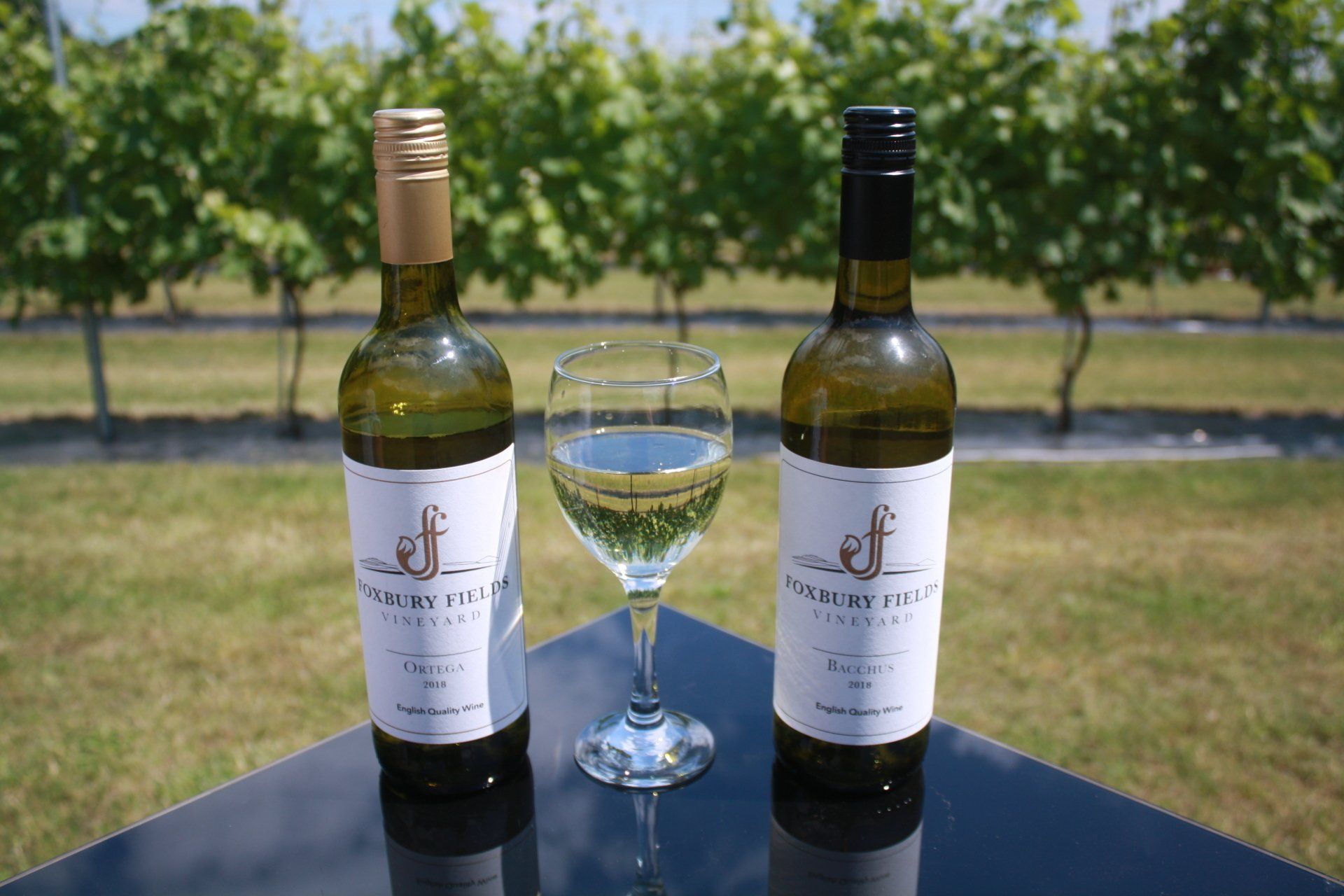
In England, terroir plays a key role in defining the fresh, aromatic styles seen in local varieties like Bacchus and Ortega.
Maritime climate
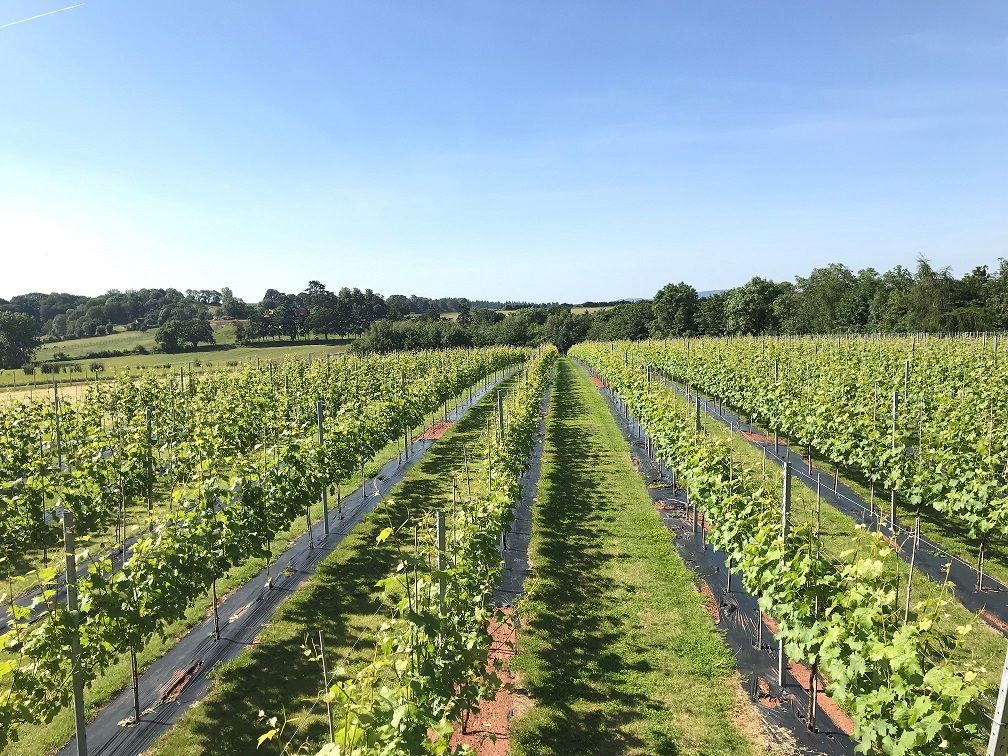
England’s maritime climate is central to its terroir. With mild temperatures, good rainfall and long summer daylight hours, grapes ripen slowly. The climate changes we’re experiencing are actually helping benefit grape production too.
This extended growing season helps preserve natural acidity while allowing delicate flavours and aromas to develop. As a result, English wines are typically crisp, vibrant and expressive rather than being heavy.
Soil types
Soil types further shape these wines. Chalk soils, common in southern England, provide excellent drainage and can add a subtle mineral note.
Clay soils retain water and nutrients, often producing wines with more body, while lighter soils encourage aromatic intensity.
Bacchus
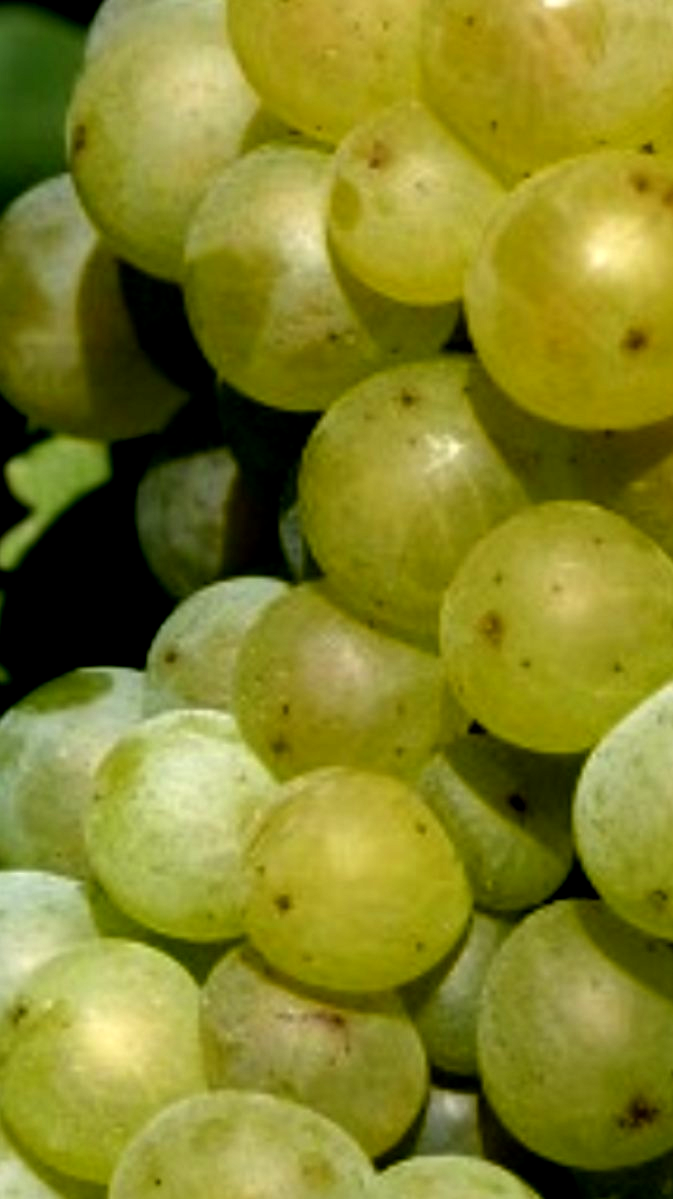
Bacchus, often considered England’s signature white grape, thrives in these conditions. The cool climate enhances its freshness and aromatic complexity, leading to flavours of elderflower, gooseberry, citrus, and fresh herbs. The soil can subtly influence its profile, with chalk adding elegance and lighter soils boosting fruitiness.
Ortega
In contrast, Ortega produces a softer, more rounded wine. It ripens earlier, making it well suited to England’s shorter seasons. The terroir allows it to develop ripe peach, apricot, and floral notes, often with a gentle sweetness. Clay soils can give Ortega more texture, while cooler conditions help maintain balance.
Together, terroir gives English wines their unique identity.
Hallmark Herefordshire
Our Bacchus and Ortega clearly show how our Herefordshire soil and climate combine to create wines that are fresh, aromatic and unmistakably English.
Like to buy our wine?
Shop here.