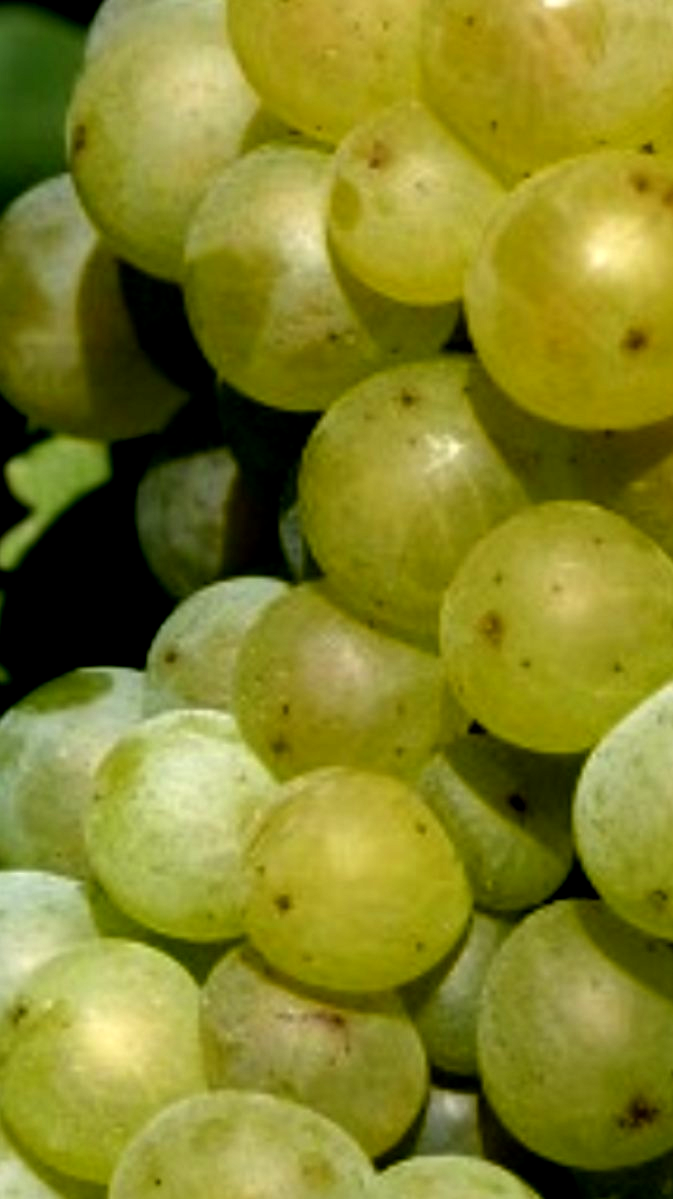
What makes English Bacchus special?
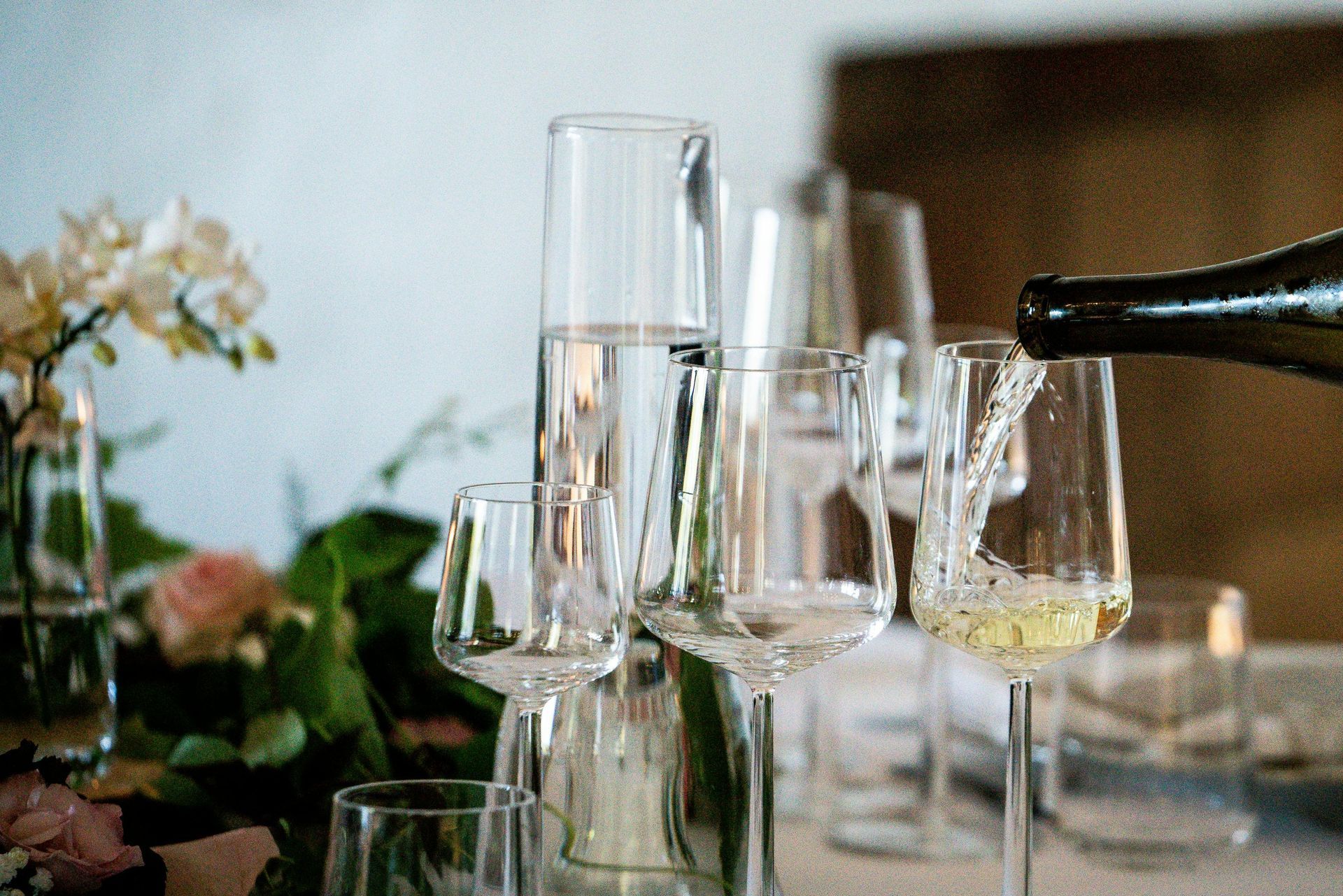
If there’s one grape that has become synonymous with English still wine, it’s Bacchus.
Often described as England’s answer to Sauvignon Blanc, Bacchus has captured the attention of winemakers and wine lovers alike and for good reason. Fresh, aromatic and beautifully expressive, it’s a grape that truly shines in our cool-climate vineyards.
Vibrant aromatics
Bacchus originated in Germany in the 1930s, created by crossing Müller-Thurgau with Silvaner. It was originally planted to bring vibrant aromatics to cooler wine regions, but it wasn’t until the grape reached English soil that its full potential really emerged.
Our long, mild growing season gives Bacchus the time it needs to develop delicate aromatics while preserving bright, refreshing acidity.
The result? A grape that feels tailor‑made for the English countryside.
Expressive notes
What makes Bacchus so distinctive is its flavour profile. Expect expressive notes of elderflower, gooseberry, hedgerow herbs and soft citrus – flavours that seem to echo the very landscape around it.
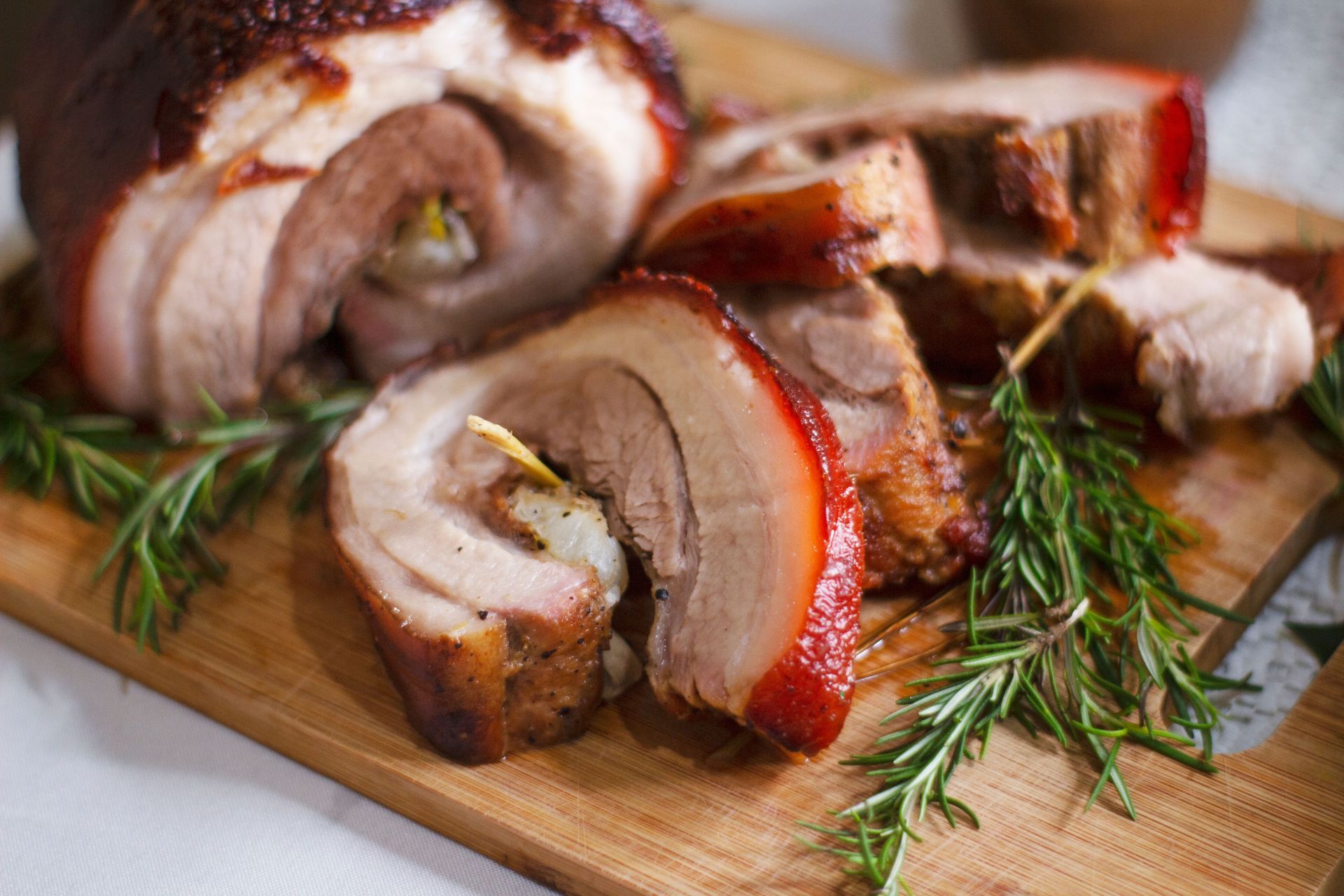
On the palate, it’s crisp yet elegant, with a clean finish that makes it incredibly food‑friendly. It pairs beautifully with lighter dishes such as grilled fish, soft cheeses, spring vegetables and fragrant salads.
Growing conditions
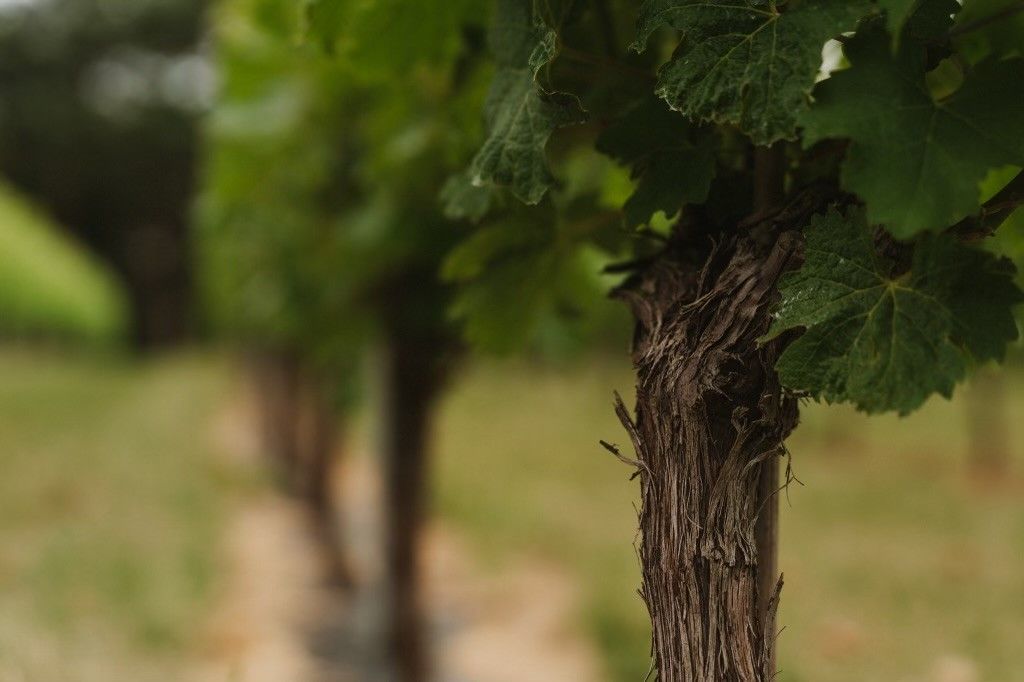
Bacchus thrives in English growing conditions because it prefers cooler temperatures, slower ripening and the gentle balance of sunshine and rainfall found across our vineyards. These conditions help the grape retain its natural acidity while developing the characteristic floral and herbal aromas that Bacchus is known for.
Most celebrated
Today, Bacchus has become one of the most celebrated still wine varieties in England and it continues to define the modern identity of English white wine.
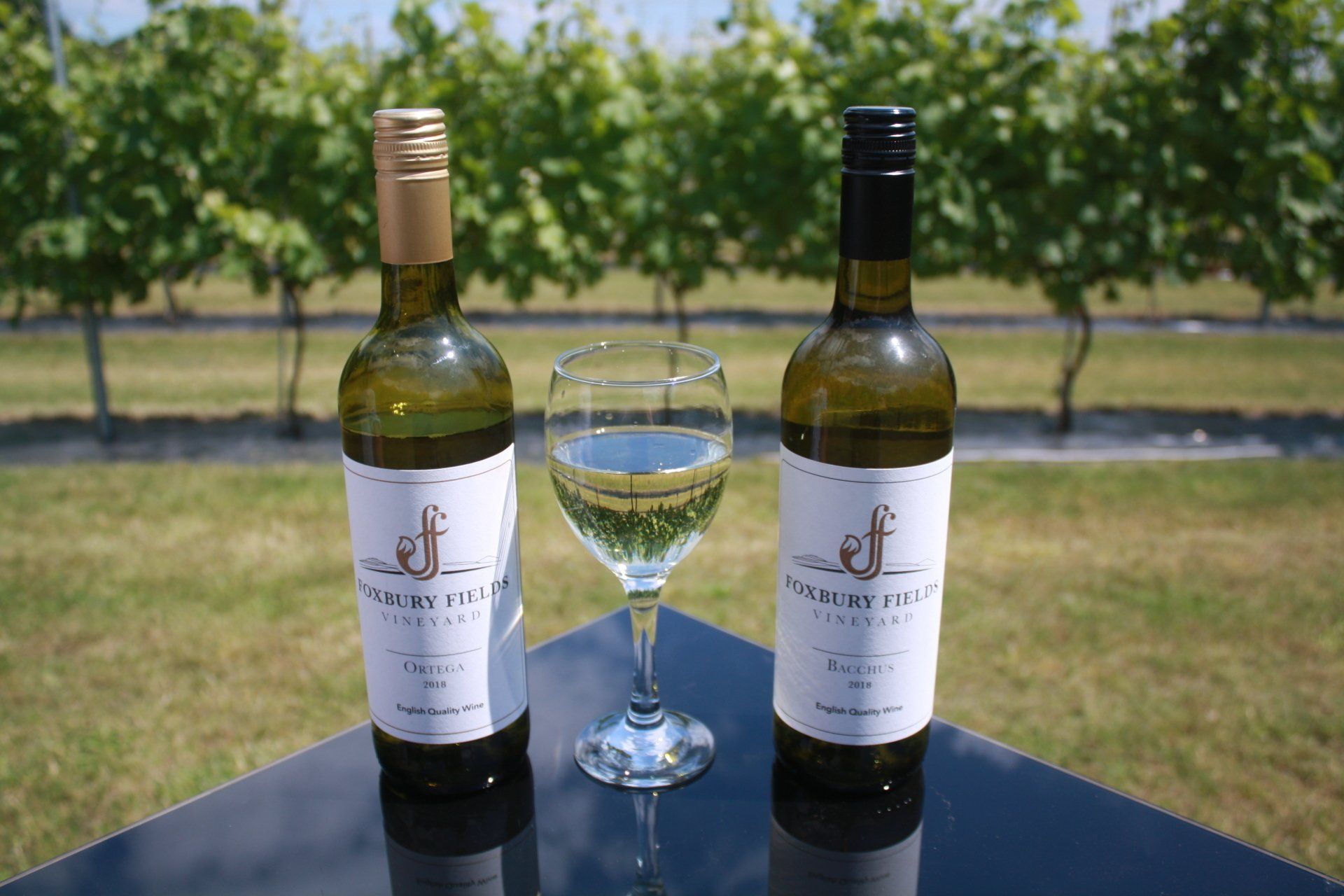
For producers like us, it’s a grape that delivers not only exceptional flavour but a true expression of place – a taste of the English landscape in every glass.