The rise of English wine

English wine has undergone a remarkable transformation, evolving from a little-known curiosity into a respected and celebrated industry.
Today, it is recognised globally for its quality, particularly in sparkling and aromatic white wines, but this success has been decades in the making.
Roman times
Winemaking in England dates to Roman times, when vines were first planted to supply settlements.
However, the industry struggled for centuries due to the country’s cool climate and unreliable growing conditions. It wasn’t until the mid-20th century that modern English viticulture began to take shape, with pioneers experimenting with grape varieties suited to cooler climates.
Early ripening varieties
The real turning point came in the 1970s and 1980s, when growers started planting disease-resistant and early ripening varieties such as Bacchus, Ortega, and Müller-Thurgau.
These grapes proved better suited to England’s shorter growing season, allowing producers to create fresh, aromatic wines with distinctive character.
Sparkling wines
In the 1990s and early 2000s, English wine began to gain wider attention, particularly with the rise of traditional method sparkling wines.
The discovery that southern England’s chalk soils closely resemble those of Champagne, combined with a warming climate, led to a surge in high-quality sparkling wine production. English sparkling wines soon began winning international awards, helping to elevate the country’s reputation.
Boom time
Today, the English wine industry is thriving and still wines like ours are booming and over taking our sparkling companions.
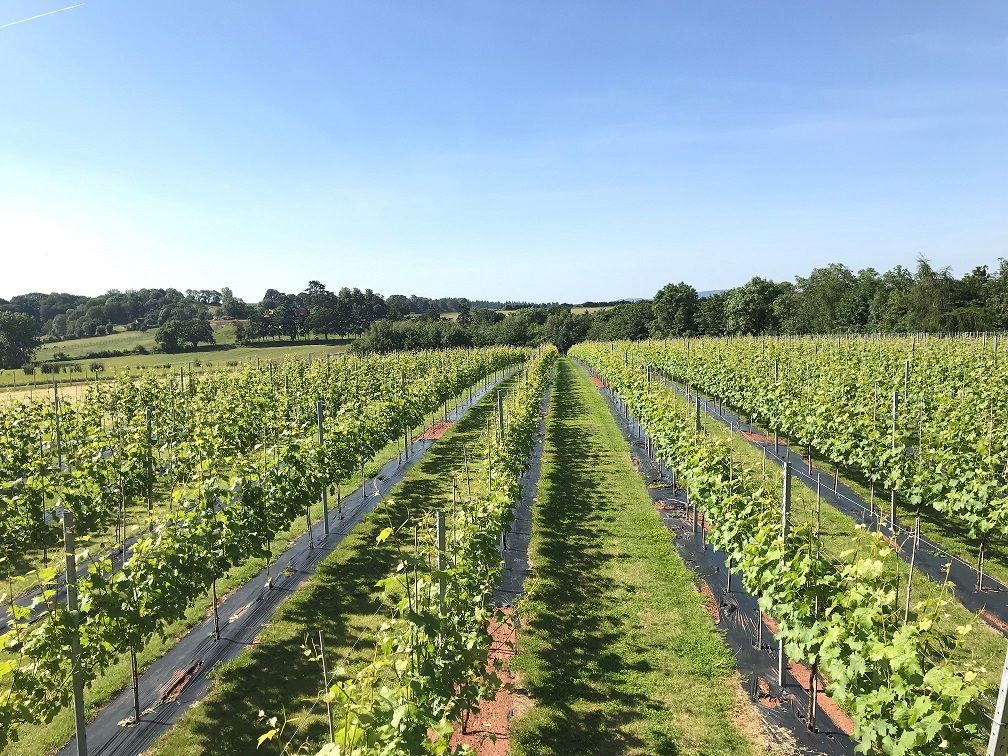
Vineyard plantings have expanded rapidly and producers, like us, are increasingly focused on quality and sustainability.
English wine is no longer an emerging novelty – it is a serious player on the global stage.
Its journey reflects innovation, adaptation and a deep understanding of terroir, making it one of the most exciting success stories in modern winemaking.
Like to buy a bottle?
Shop here.