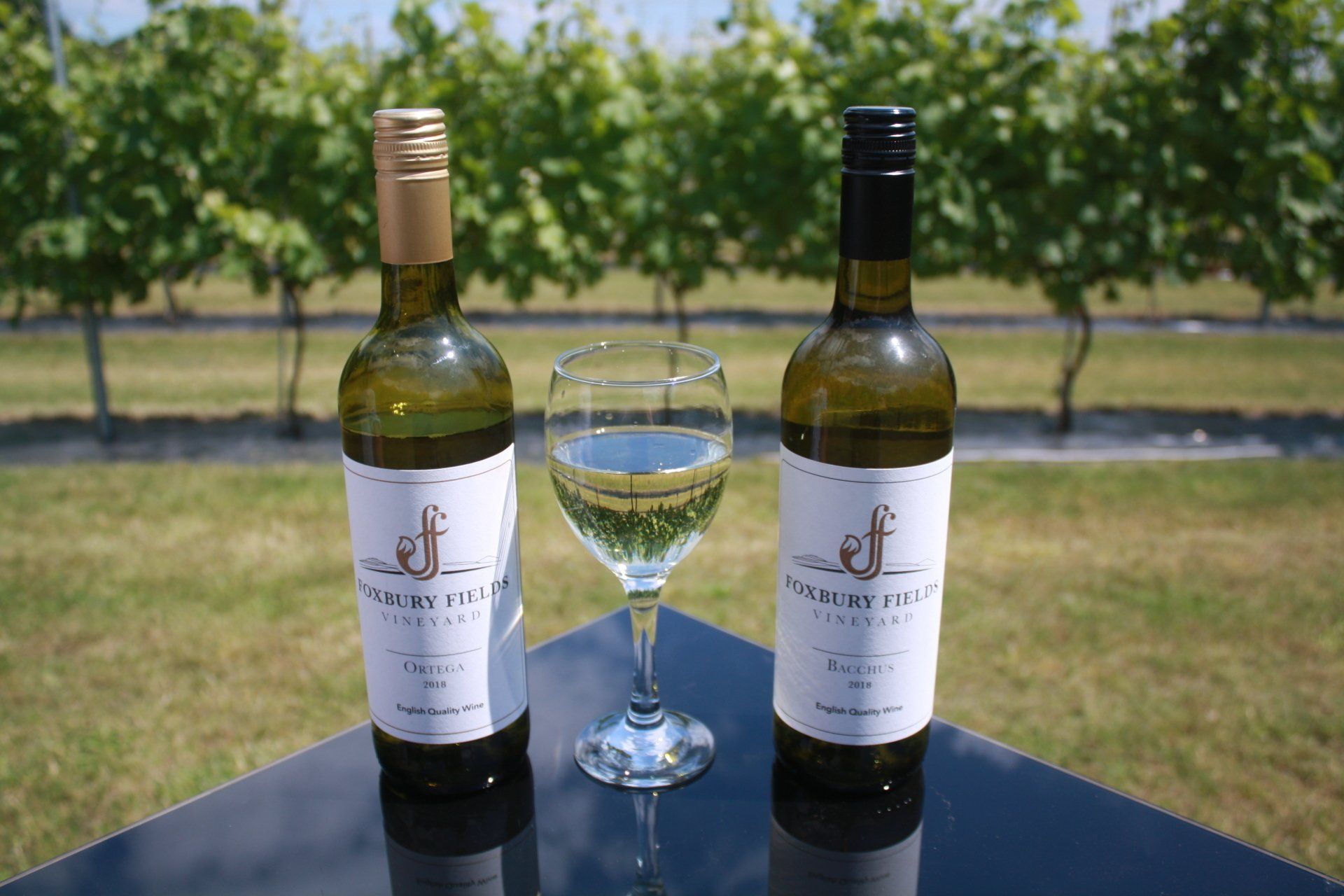
How to store and serve English white wines

Heather Williamson • 25 September 2026

English white wines are known for their freshness, crisp acidity, and delicate fruit flavours.


Whether you’re enjoying a bottle from us on an autumn afternoon or pairing it with a special meal, proper storage and serving can make all the difference to your tasting experience.


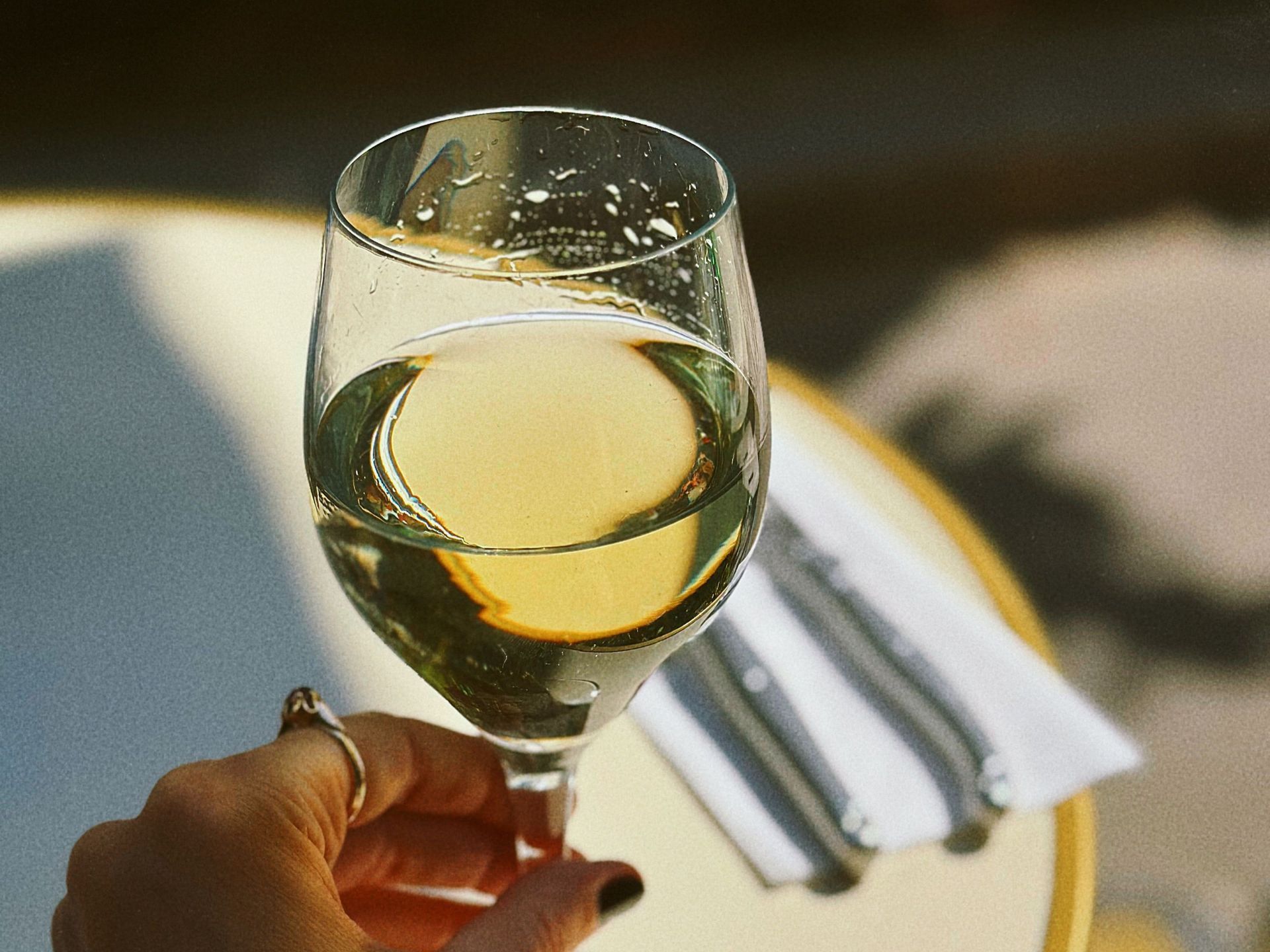
The ideal serving temperature for most English white wines is between 8°C and 12°C. Serving wine too cold can mute its aromas and flavours, while serving it too warm can make it seem less refreshing.


Chilled


As a general rule, place your bottle in the fridge for around two to three hours before serving. If it has been chilled for longer, simply leave it out for 10 to 15 minutes before pouring.


Choosing the right glassware is equally important. A medium-sized white wine glass with a slightly tapered rim helps concentrate aromas and directs the wine to the right areas of the palate.


While it may be tempting to use any available glass, proper wine glasses can significantly enhance both aroma and flavour.


Storing


When storing unopened bottles, keep them in a cool, dark place with a consistent temperature. Avoid areas that experience frequent temperature fluctuations, such as kitchens, conservatories, or garages.


If the bottle has a natural cork, storing it on its side can help keep the cork moist and maintain a good seal.


Mistakes to avoid


There are also a few common mistakes to avoid. Adding ice cubes can dilute the wine and alter its character, while serving straight from an ice bucket for extended periods may make it too cold to appreciate fully.


Similarly, leaving an opened bottle exposed to air for too long can reduce its freshness.


We believe every bottle deserves to be enjoyed at its best. With the right storage, temperature, and glassware, you can experience the vibrant flavours and distinctive character that make English white wines so enjoyable. Cheers! 

by Heather Williamson • 25 September 2026
We believe that great wine starts with respect for the land. Sustainability is more than a buzzword for us. It is a commitment to making thoughtful choices that help protect our environment while producing exceptional English wines for our customers to enjoy. One of the most important aspects of sustainable winemaking is reducing food miles. By growing, producing and selling our wines in Herefordshire and Worcestershire, we minimise the distance our products travel before reaching your glass. Carbon footprint Supporting nearby suppliers and businesses wherever possible also helps strengthen the regional economy and reduces the carbon footprint associated with transportation. We are equally focused on reducing waste throughout the winemaking process. From careful vineyard management to efficient production practices, we look for opportunities to use resources responsibly and avoid unnecessary waste. Sustainability journey Recycling materials where possible, reusing equipment where practical and ensuring that every stage of production is carried out with care are all part of our ongoing sustainability journey. In the vineyard, environmentally conscious practices help us maintain healthy vines and thriving ecosystems. Harmony with nature By working in harmony with nature, encouraging biodiversity and carefully managing the land, we can create a balanced environment that supports both grape quality and local wildlife. Healthy soils and healthy vines are essential for producing wines that truly reflect the character of our surroundings. Sustainability is not a destination but a continuous process of improvement. We are always exploring new ways to reduce our environmental impact while maintaining the quality and authenticity that define us. Protect the landscape When you choose a bottle from our vineyard, you are supporting a winery that values responsible production, local connections and long-term care for the countryside.  Together, we can enjoy great wine while helping to protect the landscape that makes it possible for generations to come.
by Heather Williamson • 4 September 2026
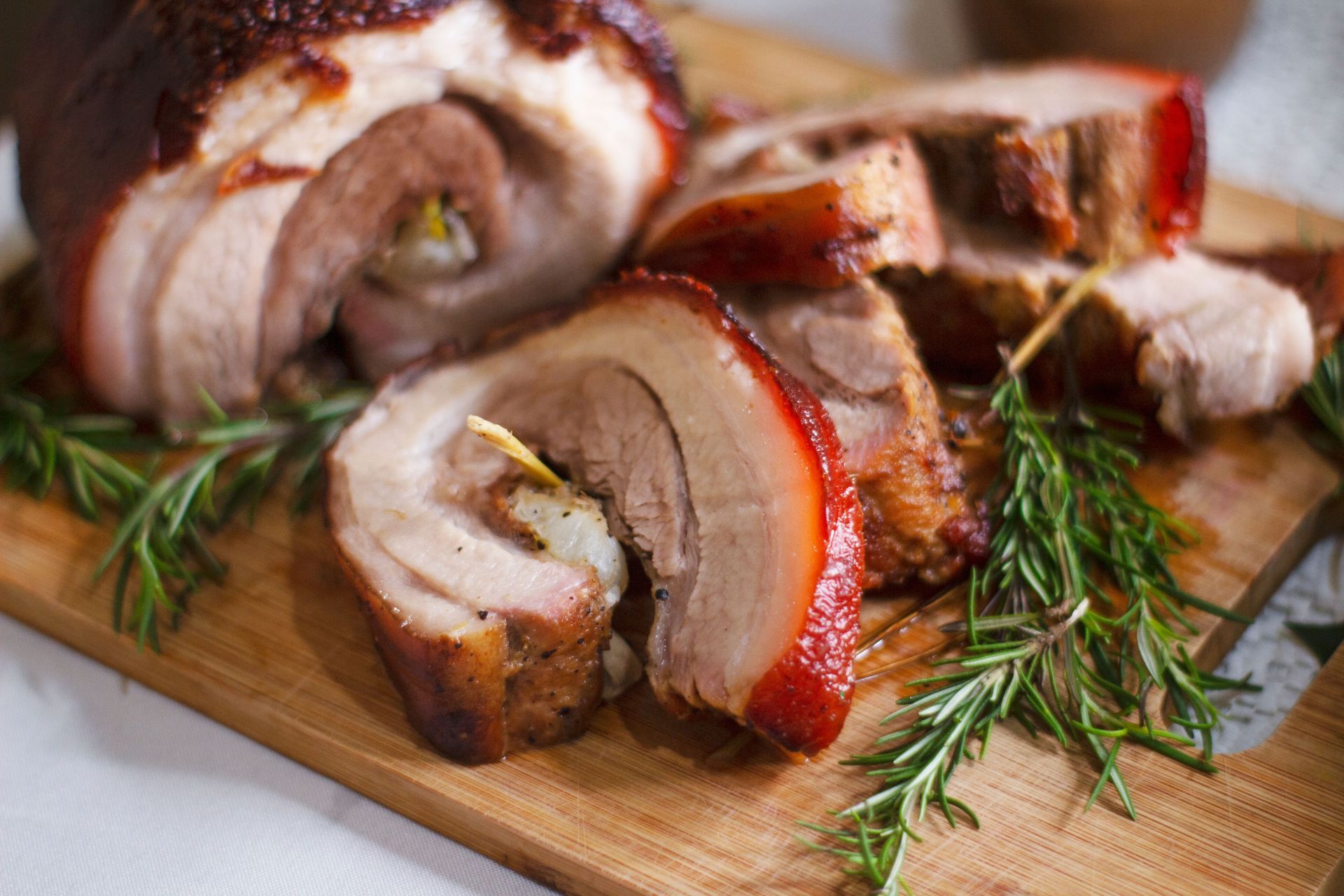
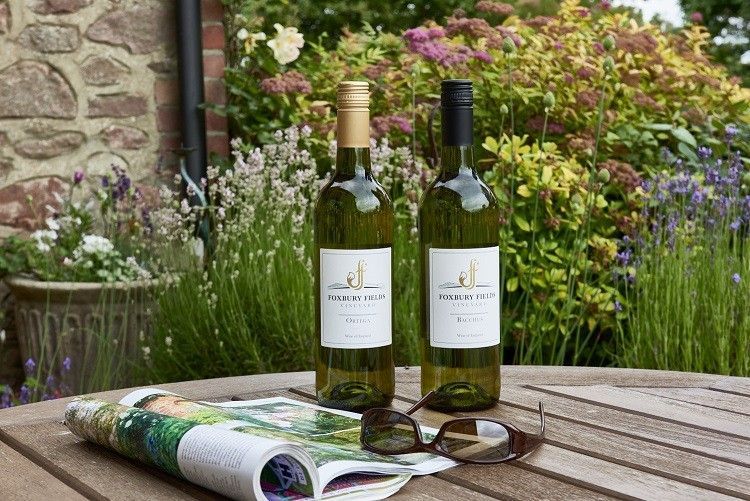
One of the joys of wine is discovering how the right bottle can elevate a meal. At Foxbury Fields Vineyard, two of our most popular varieties, Bacchus and Ortega, are wonderfully versatile and pair beautifully with a range of dishes. Whether you’re planning a cosy autumn supper, a weekend lunch or a seasonal celebration, here’s our guide to getting the most from every glass. Bacchus: fresh, crisp and aromatic Often described as England’s answer to Sauvignon Blanc, Bacchus is known for its vibrant aromas of elderflower, citrus and green apple. Its refreshing acidity makes it an excellent partner for lighter dishes. For everyday meals, try pairing Bacchus with grilled chicken, seafood, roasted vegetable tarts or fresh salads. It also works beautifully with goat’s cheese and light pasta dishes. As autumn arrives, Bacchus complements seasonal ingredients such as butternut squash, apple-based salads and herb-roasted vegetables. Its bright character cuts through richer flavours while keeping the palate refreshed. Ortega: richer, softer and fruit-forward Ortega offers a slightly fuller style, with notes of ripe stone fruit, honey and gentle spice. This makes it a fantastic choice for comforting autumn dishes. Pair Ortega with roast pork, creamy risottos, baked camembert or roasted root vegetables. The wine’s natural fruitiness also works wonderfully alongside dishes featuring apples, pears and seasonal herbs. For special occasions, Ortega can shine with a festive cheeseboard or as a partner to lightly spiced desserts, making it a versatile option for autumn gatherings. Celebrating the season Autumn is all about bringing people together around good food and drink. Whether you’re enjoying a simple weeknight meal or hosting friends for a harvest-inspired feast, Bacchus and Ortega offer plenty of pairing possibilities. The best food and wine combinations don’t have to be complicated. Start with fresh seasonal ingredients, choose a wine that complements the flavours on the plate and don’t be afraid to experiment.  After all, the perfect pairing is the one you enjoy most.
by Heather Williamson • 4 September 2026
If you’ve ever browsed a wine list or visited a vineyard and wondered whether there’s a difference between English wine and British wine, you’re not alone. The terms are often used interchangeably, but they actually mean different things. At Foxbury Fields, we believe enjoying wine starts with understanding it, so here’s a simple guide to the terminology. What is English wine? English wine is made exclusively from grapes grown in England. From the chalky soils of Sussex and Kent to vineyards here in Berkshire and beyond, English vineyards have flourished in recent years, producing award-winning still and sparkling wines. For a wine to be labelled as English, the grapes must be grown and harvested in England, and the wine must be produced according to strict regulations. This gives consumers confidence about the wine’s origin and helps showcase the unique character of England’s wine-growing regions. What is British wine? British wine is something completely different. Rather than being made from grapes grown in Britain, British wine is traditionally produced in the UK using imported grape juice or grape concentrate from other countries.  While British wine has a long history, it is not connected to the modern vineyard industry that has helped put England on the global wine map. In other words, British wine is made in Britain, but not necessarily from British-grown grapes. Why does the difference matter? Understanding the distinction helps consumers make informed choices. If you’re interested in supporting local vineyards, experiencing regional terroir, or tasting wines made from grapes grown in the British climate, look for the term English wine on the label. As the English wine industry continues to grow, it has earned international recognition for quality, particularly in sparkling wines that rival some of the world’s best. A final thought Next time you see the terms English wine and British wine, you’ll know they’re not the same thing. One reflects the vineyards and landscapes of England, while the other refers to wine produced in Britain from imported ingredients. Understanding the difference is a small detail that can make your next glass even more enjoyable.
by Heather Williamson • 19 August 2026
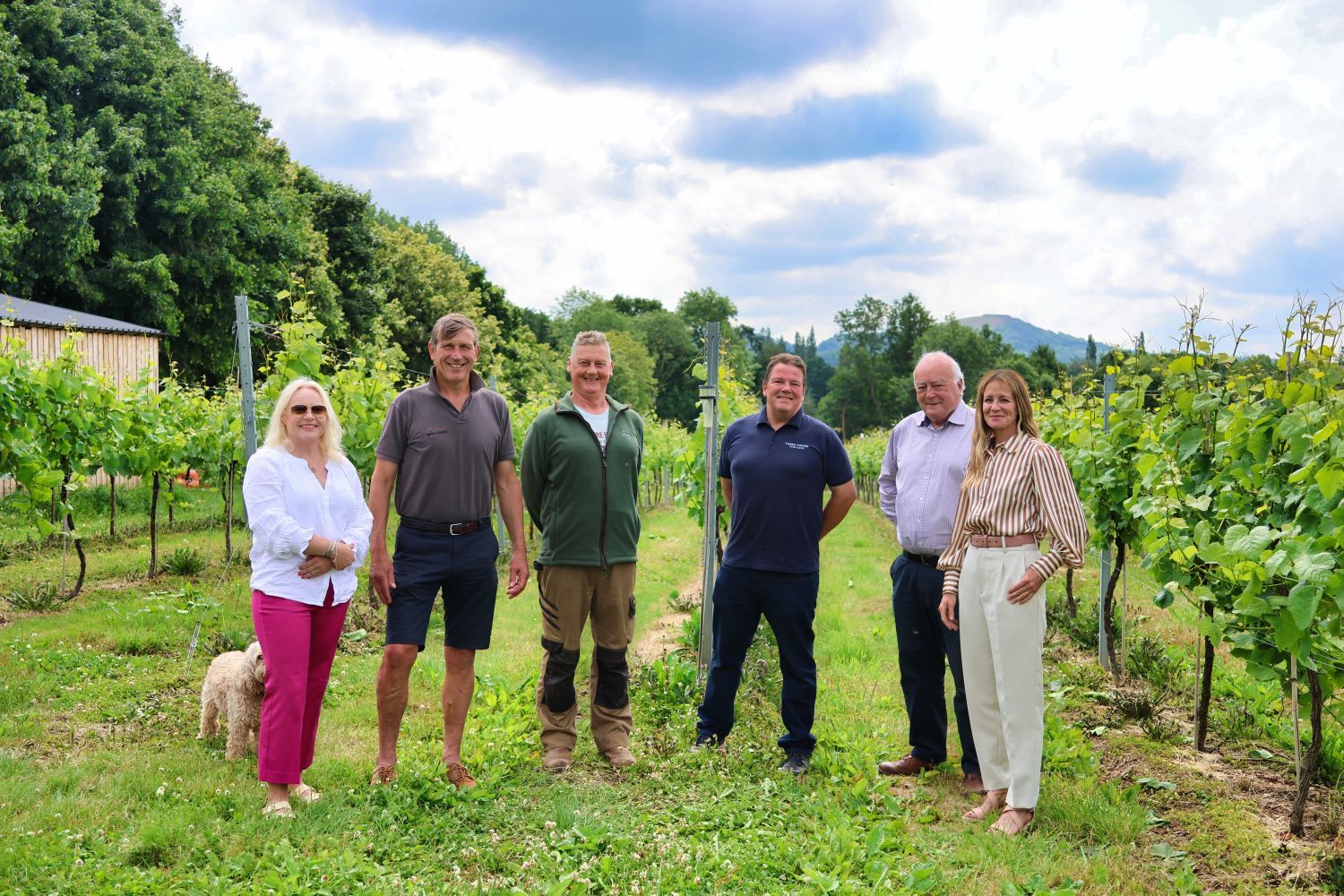
We’re joining five other independent vineyards in Herefordshire, Gloucestershire and Worcestershire to host the inaugural Malvern Hills Vineyards Wine Festival next month (September 2026). We and The Malvern Hills Vineyards, which collectively grow 14 grape varieties across 68 acres, are coming together on September 5 to celebrate English wine and viticulture. Wonderful vineyards Heather Williamson , who co-founded our Vineyard with her partner Richard Baker and is also Hereford-based Wyevale Nurseries’ Chairman, explains: “ We’re delighted to be collaborating with all these wonderful vineyards on this joint venture. The festival will take place on Saturday, September 5 and will bring together independent vineyards from Herefordshire, Gloucestershire and Worcestershire for a day dedicated to local wine, food, culture and vineyard expertise.” The festival will be held at Mathon Court, West Malvern, Worcestershire, home to Two Beacons Vineyard, from 12noon until 6pm. Grape growing Visitors will have the opportunity to sample award-winning wines from the participating vineyards while learning more about grape growing and winemaking through a programme of specialist talks and presentations. Heather continues: “The event is being organised by the Malvern Hills Vineyards collaboration, which includes our vineyard, alongside Three Choirs, Chase End, Bromesberrow Place, Marlbank and Two Beacons vineyards. Winemaking heritage “The partnership was established to raise awareness of our area’s flourishing wine sector, promote wine tourism and highlight the distinctive terroir and winemaking heritage of the Malvern Hills region. “Each vineyard has its own character and story, but we share a passion for viticulture and respect for the soils that nurture our vines. Winemaking has deep roots in the Malvern Hills, where grapevines were grown as far back as Roman times.” Varied programme As well as wine tasting, a varied programme is planned and will feature musicians, artisan craft stalls, food producers and outdoor entertainment. Festival-goers will receive a commemorative wine glass and will be able to meet vineyard owners and winemakers from across the Malvern Hills region. The event reflects the continuing growth of English wine production and wine tourism, with the Malvern Hills area increasingly recognised as an important centre for quality wine making. Celebration Heather concludes: “English wine continues to go from strength to strength and we’re delighted to be part of a festival that showcases not only the quality of wines being produced in our area, but also the people, skills and passion behind them. The Malvern Hills has a long association with grape growing and winemaking, and this festival is a wonderful opportunity to share that story with visitors while celebrating the achievements of vineyards across the region.” How to get tickets Tickets are available through the Malvern Hills Vineyards website here and are priced at £25 per person.
by Heather Williamson • 20 July 2026
English wine has grown enormously in popularity during recent years and it’s easy to see why. From supporting businesses in your area to reducing food miles, choosing English wine offers benefits that go far beyond what’s in the glass. One of the biggest advantages is sustainability. By choosing wine produced in the UK, you’re helping to reduce the miles travelled between vineyard and consumer. Wine miles Imported wines often travel thousands of miles before reaching shop shelves, while English wines can be transported much shorter distances. For environmentally conscious wine lovers, buying local is a simple way to help reduce the carbon footprint associated with their wine purchases. Supporting English wine also means supporting local businesses. Many vineyards are independently owned and operated, with passionate teams dedicated to producing quality wines. Boosting local economies Every bottle purchased helps sustain rural businesses, creates employment opportunities and contributes to local economies. By choosing English wine, you’re investing directly in the future of British agriculture and winemaking. Another reason to buy English wine is the craftsmanship behind every bottle. English vineyards work within a challenging climate, requiring skill, dedication and careful vineyard management throughout the growing season. Labour of love From pruning vines during winter to harvesting grapes at just the right moment, winemaking is a true labour of love. This attention to detail is reflected in the quality and character of the finished wines. Freshness is another key benefit. Wines produced closer to home often reach consumers more quickly, allowing them to be enjoyed at their best. Crisp white wines, in particular, benefit from careful handling and shorter journeys from vineyard to glass. Keep it local At Foxbury Fields, we’re proud to produce our Bacchus and Ortega wines here in Herefordshire. Our wines reflect not only the character of our vineyard but also the growing reputation of English wine as a whole.  So next time you’re choosing a bottle, why not think about buying something that’s produced near you or a British or English wine? You’ll be supporting independent producers, reducing food miles and enjoying wines crafted with care, passion and a genuine sense of place. Like to buy a bottle of our wine? Please visit our store .
by Heather Williamson • 20 July 2026
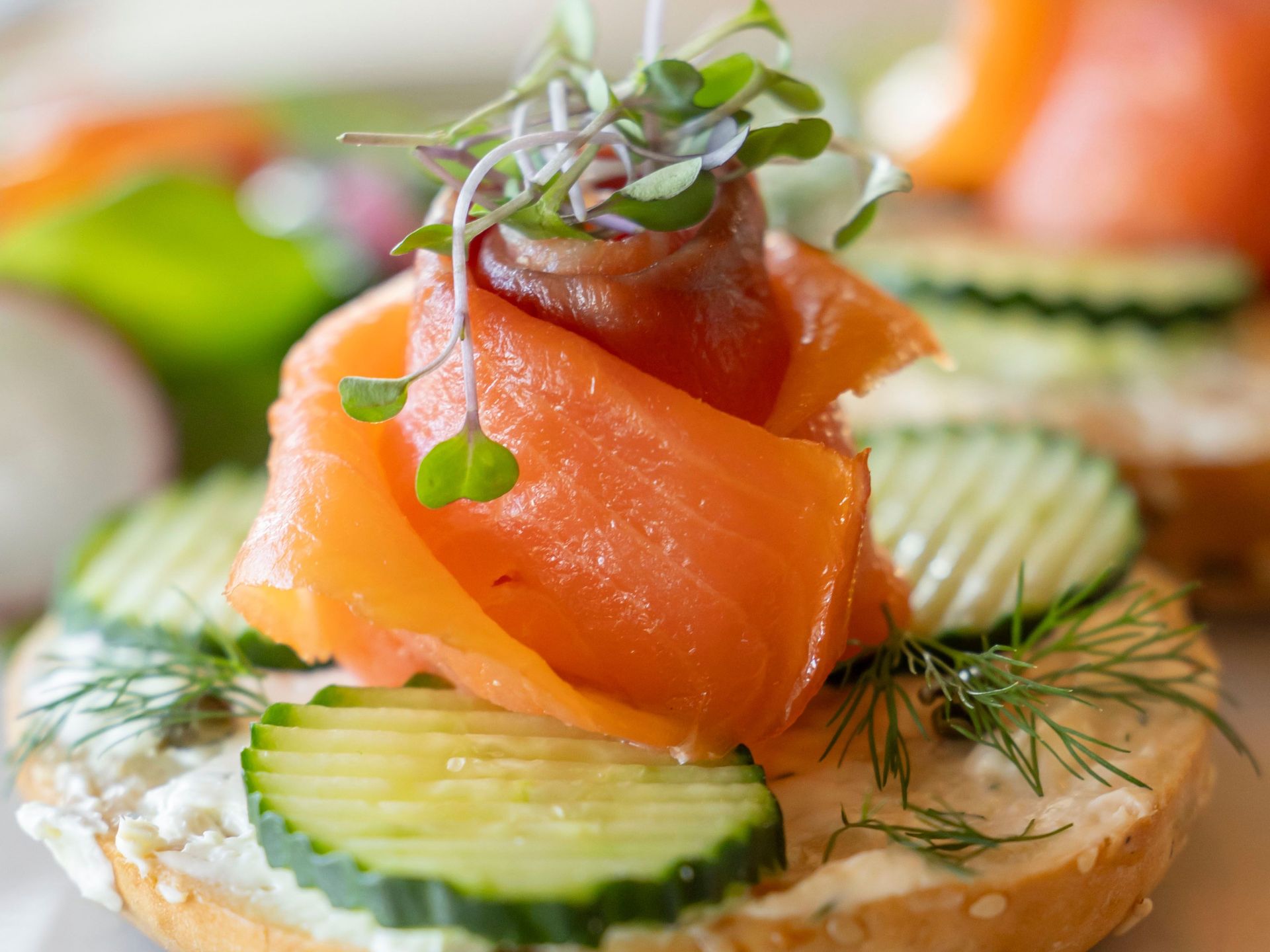
There’s something wonderfully relaxed about gathering friends around the table, sharing good food, great conversation and a bottle of English wine. If you’re planning a dinner party, why not make English wine the star of the evening? Our Ortega and Bacchus wines are ideal companions for a stylish yet effortless menu. Start the evening by welcoming guests with a chilled glass of our Bacchus. Known for its fresh, aromatic character, Bacchus offers vibrant fruit notes that make it a delightful aperitif. Nibbles & Bacchus Serve alongside simple nibbles such as olives, smoked almonds and a selection of cheeses sourced from nearby to get everyone in the mood for the meal ahead. For the starter, consider a light smoked salmon and cucumber salad. The crisp acidity and fragrant aromas of Bacchus complement the delicate flavours beautifully, creating a refreshing beginning to the evening. Easy to prepare For the main course, choose something that is easy to prepare but impressive on the plate. Herb-roasted chicken with seasonal vegetables is a perfect option. Pair this with our Ortega, a wonderfully fruity wine whose soft, rounded character works brilliantly with poultry dishes. Ortega’s gentle fruit flavours also pair beautifully with creamy sauces and lighter fish dishes, making it a versatile choice for the dinner table. Finish with a simple dessert such as apple tart or pear frangipane. Guests can continue to enjoy a glass of Ortega, as its fruity profile complements orchard fruits perfectly. Hosting hints & tips When it comes to hosting, keep things uncomplicated. Prepare as much food as possible in advance, chill your wines ahead of time and focus on creating a warm, welcoming atmosphere rather than striving for perfection. A well-set table, soft lighting and thoughtfully chosen wine will do much of the work for you. With our Bacchus and Ortega on hand, your dinner party is sure to be memorable, showcasing the best of English wine while bringing friends and family together around the table. Whether you’re celebrating a special occasion or simply enjoying an evening with friends, our wines provide the perfect accompaniment to good food, good company and great memories. How to get your wine Shop here .
by Heather Williamson • 3 July 2026
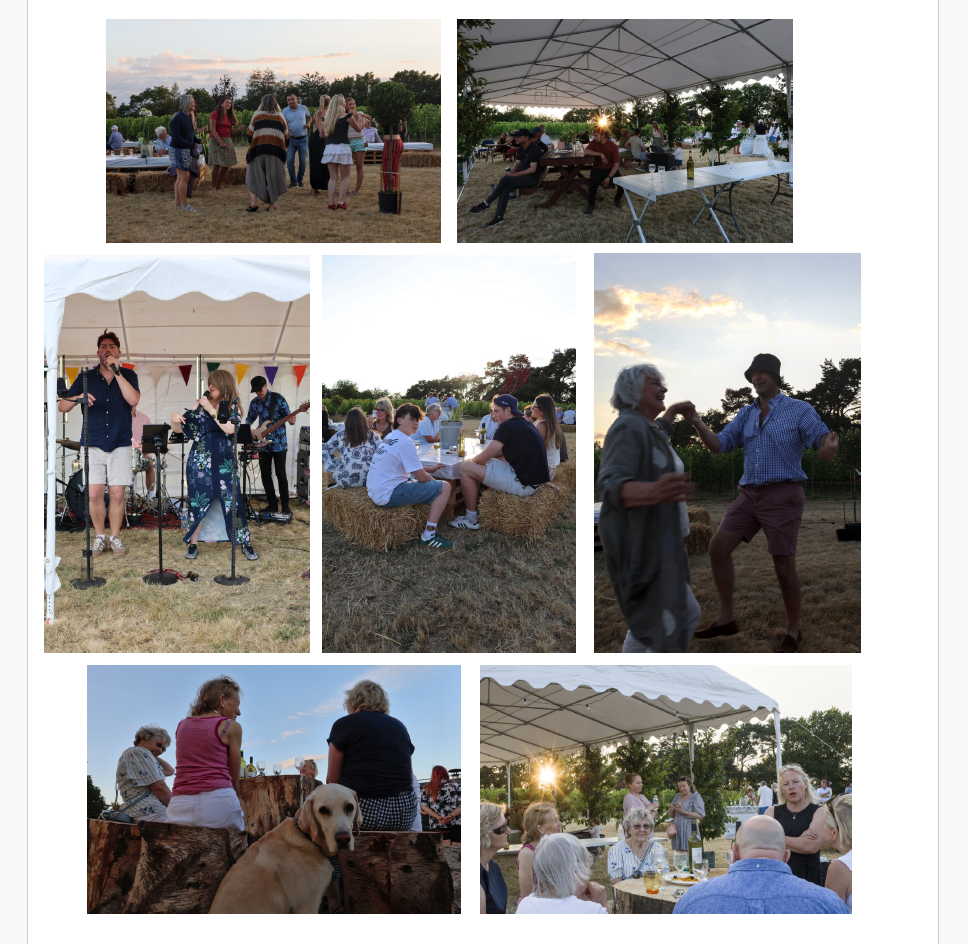
We celebrated a significant milestone recently as we marked 10 years since our first vines were planted in 2016. Our vineyard was co-founded by Heather Williamson and Richard Baker whose shared love of the countryside and their passion for producing exceptional English wine inspired the venture. Heather , who is also Hereford-based Wyevale Nurseries’ Chairman, explains: ““Reaching our 10-year anniversary is incredibly special. What started as a shared idea and a passion for the land has grown into something we’re truly proud of. “Every vine we planted back in June 2016 has been nurtured with care and each bottle we produce reflects not just the character of the season, but the place we call home here in Herefordshire. It’s been an amazing journey so far and we’re very excited for what the future holds. “It’s an incredibly exciting time to be part of the English wine industry. According to our sector’s leading body WineGB, UK production rose by 39% in 2025, with one of the earliest and ripest harvests ever recorded thanks to the weather. “English wine is going from strength-to-strength and last year was particularly special for us with a WineGB Award for our 2023 Ortega. We’ve been fortunate to receive lots of recognition and awards during the last few years for our wines, but what matters most is seeing just how far English wine has come. All eyes are now on the 2026 season!” Last year, we joined five other independent vineyards in Herefordshire, Gloucestershire and Worcestershire to pool their experience, expertise and reputation for growing great grapes and making excellent wines. Collectively, they are known as The Malvern Hills Vineyards and grow 14 grape varieties across more than 68 acres. Heather adds: “We’re very proud of the cultivation, land management and environmental practices we’ve implemented at our vineyard, as well as the award-winning wines we make and were delighted we celebrated our 10 th anniversary with friends, family and colleagues.”
by Heather Williamson • 1 July 2026
English wine has undergone a remarkable transformation, evolving from a little-known curiosity into a respected and celebrated industry. Today, it is recognised globally for its quality, particularly in sparkling and aromatic white wines, but this success has been decades in the making. Roman times Winemaking in England dates to Roman times, when vines were first planted to supply settlements. However, the industry struggled for centuries due to the country’s cool climate and unreliable growing conditions. It wasn’t until the mid-20 th century that modern English viticulture began to take shape, with pioneers experimenting with grape varieties suited to cooler climates. Early ripening varieties The real turning point came in the 1970s and 1980s, when growers started planting disease-resistant and early ripening varieties such as Bacchus, Ortega, and Müller-Thurgau. These grapes proved better suited to England’s shorter growing season, allowing producers to create fresh, aromatic wines with distinctive character. Sparkling wines In the 1990s and early 2000s, English wine began to gain wider attention, particularly with the rise of traditional method sparkling wines. The discovery that southern England’s chalk soils closely resemble those of Champagne, combined with a warming climate, led to a surge in high-quality sparkling wine production. English sparkling wines soon began winning international awards, helping to elevate the country’s reputation. Boom time Today, the English wine industry is thriving and still wines like ours are booming and over taking our sparkling companions. Vineyard plantings have expanded rapidly and producers, like us, are increasingly focused on quality and sustainability. English wine is no longer an emerging novelty – it is a serious player on the global stage. Its journey reflects innovation, adaptation and a deep understanding of terroir, making it one of the most exciting success stories in modern winemaking. Like to buy a bottle? Shop here .
by Heather Williamson • 1 July 2026
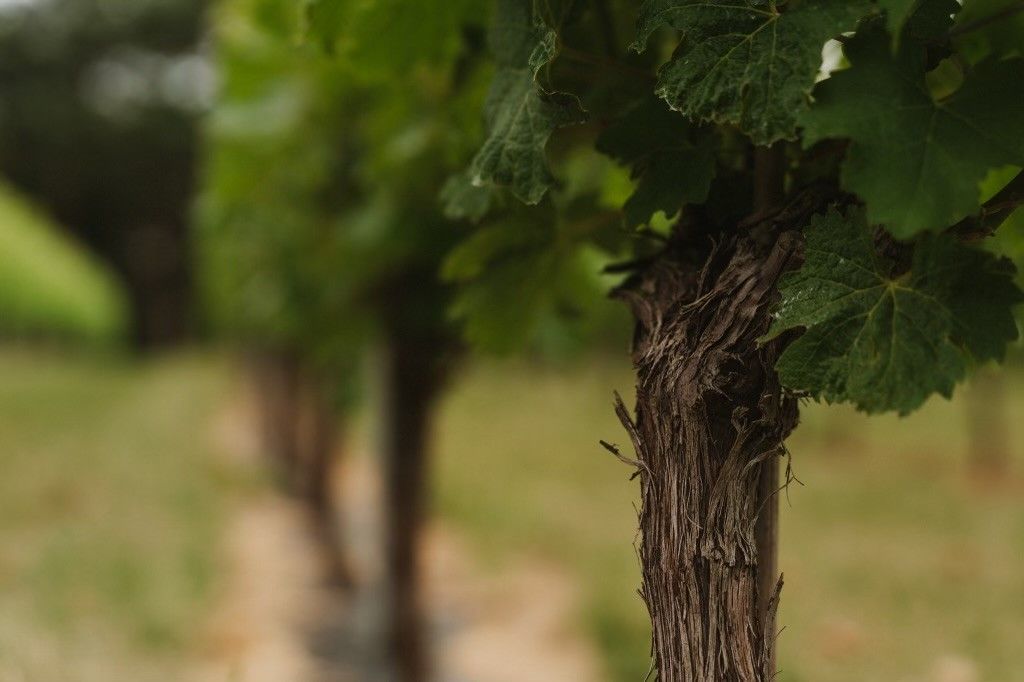
Terroir is a French term used to describe how a wine’s environment shapes its character. It includes factors such as soil, climate and landscape, all of which influence how grapes grow and how the finished wine tastes. In England, terroir plays a key role in defining the fresh, aromatic styles seen in local varieties like Bacchus and Ortega. Maritime climate England’s maritime climate is central to its terroir. With mild temperatures, good rainfall and long summer daylight hours, grapes ripen slowly. The climate changes we’re experiencing are actually helping benefit grape production too. This extended growing season helps preserve natural acidity while allowing delicate flavours and aromas to develop. As a result, English wines are typically crisp, vibrant and expressive rather than being heavy. Soil types Soil types further shape these wines. Chalk soils, common in southern England, provide excellent drainage and can add a subtle mineral note. Clay soils retain water and nutrients, often producing wines with more body, while lighter soils encourage aromatic intensity. Bacchus Bacchus, often considered England’s signature white grape, thrives in these conditions. The cool climate enhances its freshness and aromatic complexity, leading to flavours of elderflower, gooseberry, citrus, and fresh herbs. The soil can subtly influence its profile, with chalk adding elegance and lighter soils boosting fruitiness. Ortega In contrast, Ortega produces a softer, more rounded wine. It ripens earlier, making it well suited to England’s shorter seasons. The terroir allows it to develop ripe peach, apricot, and floral notes, often with a gentle sweetness. Clay soils can give Ortega more texture, while cooler conditions help maintain balance. Together, terroir gives English wines their unique identity. Hallmark Herefordshire Our Bacchus and Ortega clearly show how our Herefordshire soil and climate combine to create wines that are fresh, aromatic and unmistakably English. Like to buy our wine? Shop here .
by Heather Williamson • 27 May 2026
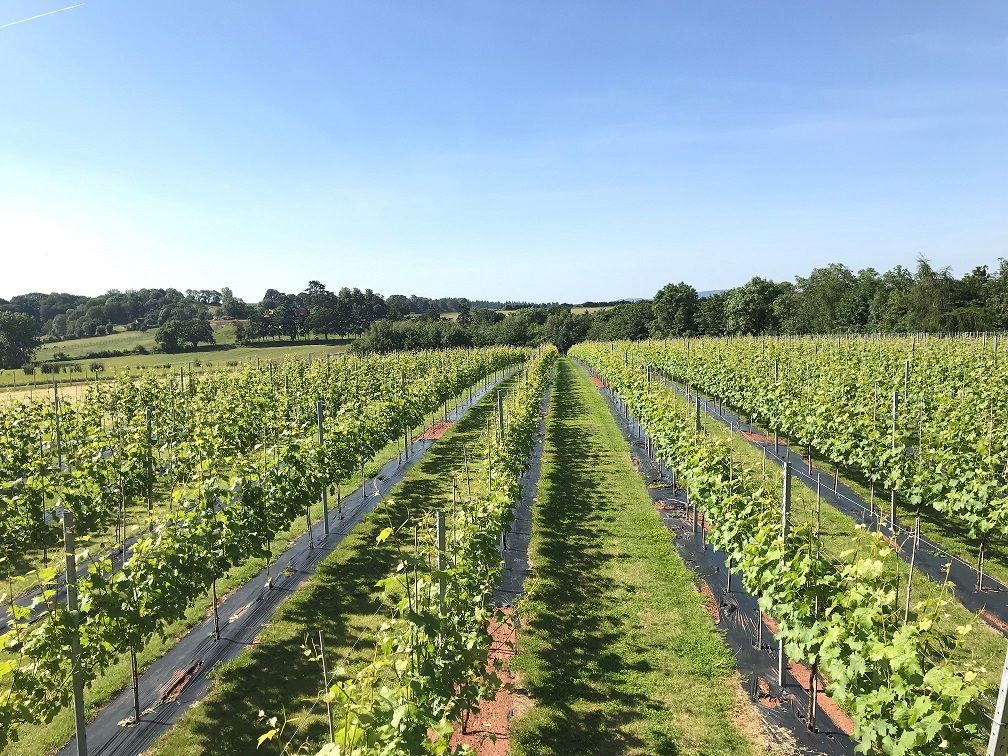
We would like to invite you to our award-winning vineyard for a series of tours and tastings as part of English Wine Week 2026 in June (Saturday, June 20 to Sunday, June 28). The events are being hosted by us on June 17, 19, 20, 21, 22, 24 and 26 to raise awareness of regional wine producers and wine tourism opportunities. Behind-the-scenes tours Heather, who is also Chairman of Hereford-based Wyevale Nurseries, co-founded our vineyard alongside her partner Richard Baker and says: “English wine is going from strength-to-strength, so it’s fantastic to be able to offer behind-the-scenes tours and give people the opportunity to sample some of the wonderful wines we produce here in Herefordshire during English Wine Week 2026. Extraordinary 2025 harvest “Across the industry, we’re reflecting on an extraordinary 2025 harvest, which has been described as one of the most impressive in recent British viticultural history. These results are a real testament to the potential and resilience of UK winegrowing, making it a particularly exciting time to visit vineyards like ours. We’re delighted to share our experiences and insights with visitors on our tours.” English Wine Week English Wine Week is organised by WineGB, the national association supporting the sustainable growth of the English and Welsh wine industry. Tour & tasting dates ×s To help celebrate the week, we will be holding tour and tasting events on June 17 at 5pm, June 19 at 5pm, June 21 at 5pm, June 22 at 7pm, June 24 at 6pm, and June 26 at 2pm and 6pm. Heather continues: “My background in horticulture, through my work with Wyevale Nurseries, has given me a deep understanding of plants, soils and the importance of working in harmony with nature. Establishing the vineyard was a natural extension of that experience and it continues to shape how we care for our vines today. Our standards & awards “We’re incredibly proud of our vineyard, the cultivation and land management practices we’ve implemented, and of course the award-winning wines we produce. Over the years, we’ve received regional and national recognition, with accolades ranging from highly commended to silver and bronze awards. Most recently, we were delighted to receive a WineGB Award for our 2023 Ortega. “It’s always a pleasure to host tours, giving people a real insight into what we do, showcasing our vines and wines, and celebrating the growing success of British wine. We’d love to welcome both returning and new visitors.” Tour details & how to book Each tour lasts approximately 90 minutes and includes a guided tasting. Tickets are £15 per person and must be booked in advance to guarantee a place. Heather adds: “Our tours offer visitors the chance to explore the vineyard, which is nestled at the foot of the Malvern Hills and surrounded by wildlife. Each visit includes a guided walk through the vines and finishes with a tasting of our signature wines, including our classic English Bacchus and wonderfully perfumed Ortega.” Tickets can be booked here .
Show More