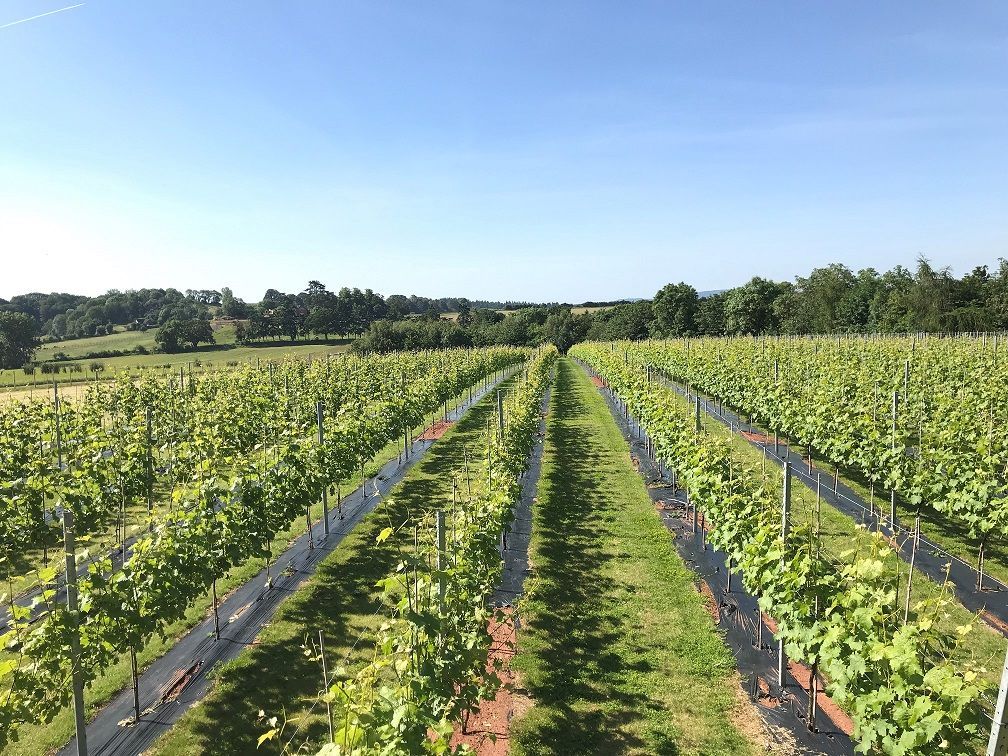
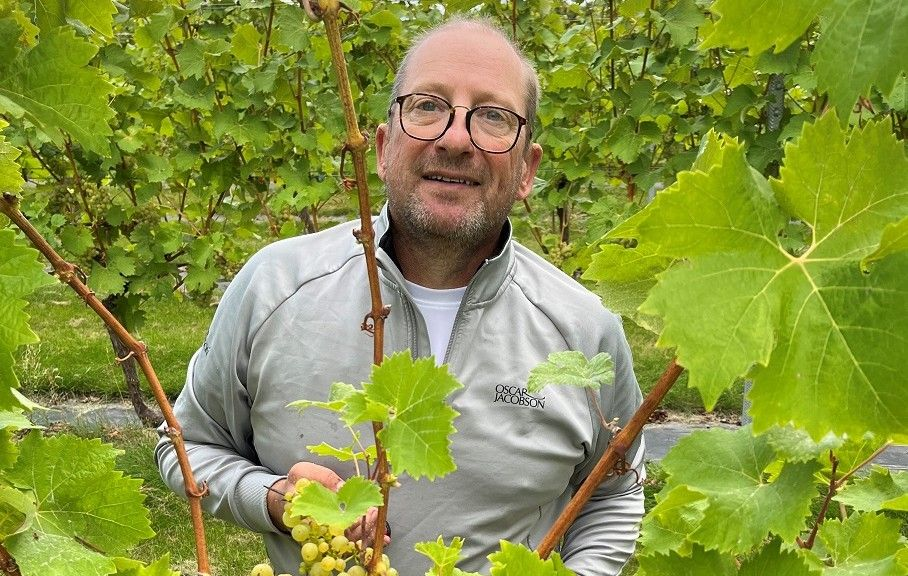
We would like to invite you to our award-winning vineyard for a series of tours and tastings as part of English Wine Week 2026 in June (Saturday, June 20 to Sunday, June 28). The events are being hosted by us on June 17, 19, 20, 21, 22, 24 and 26 to raise awareness of regional wine producers and wine tourism opportunities. Behind-the-scenes tours Heather, who is also Chairman of Hereford-based Wyevale Nurseries, co-founded our vineyard alongside her partner Richard Baker and says: “English wine is going from strength-to-strength, so it’s fantastic to be able to offer behind-the-scenes tours and give people the opportunity to sample some of the wonderful wines we produce here in Herefordshire during English Wine Week 2026. Extraordinary 2025 harvest “Across the industry, we’re reflecting on an extraordinary 2025 harvest, which has been described as one of the most impressive in recent British viticultural history. These results are a real testament to the potential and resilience of UK winegrowing, making it a particularly exciting time to visit vineyards like ours. We’re delighted to share our experiences and insights with visitors on our tours.” English Wine Week English Wine Week is organised by WineGB, the national association supporting the sustainable growth of the English and Welsh wine industry. Tour & tasting dates ×s To help celebrate the week, we will be holding tour and tasting events on June 17 at 5pm, June 19 at 5pm, June 20 from 5pm, June 21 at 2pm and 5pm, June 22 at 7pm, June 24 at 6pm, and June 26 at 2pm and 6pm. Heather continues: “My background in horticulture, through my work with Wyevale Nurseries, has given me a deep understanding of plants, soils and the importance of working in harmony with nature. Establishing the vineyard was a natural extension of that experience and it continues to shape how we care for our vines today. Our standards & awards “We’re incredibly proud of our vineyard, the cultivation and land management practices we’ve implemented, and of course the award-winning wines we produce. Over the years, we’ve received regional and national recognition, with accolades ranging from highly commended to silver and bronze awards. Most recently, we were delighted to receive a WineGB Award for our 2023 Ortega. “It’s always a pleasure to host tours, giving people a real insight into what we do, showcasing our vines and wines, and celebrating the growing success of British wine. We’d love to welcome both returning and new visitors.” Tour details & how to book Each tour lasts approximately 90 minutes and includes a guided tasting. Tickets are £15 per person and must be booked in advance to guarantee a place. Heather adds: “Our tours offer visitors the chance to explore the vineyard, which is nestled at the foot of the Malvern Hills and surrounded by wildlife. Each visit includes a guided walk through the vines and finishes with a tasting of our signature wines, including our classic English Bacchus and wonderfully perfumed Ortega.” Tickets can be booked here .
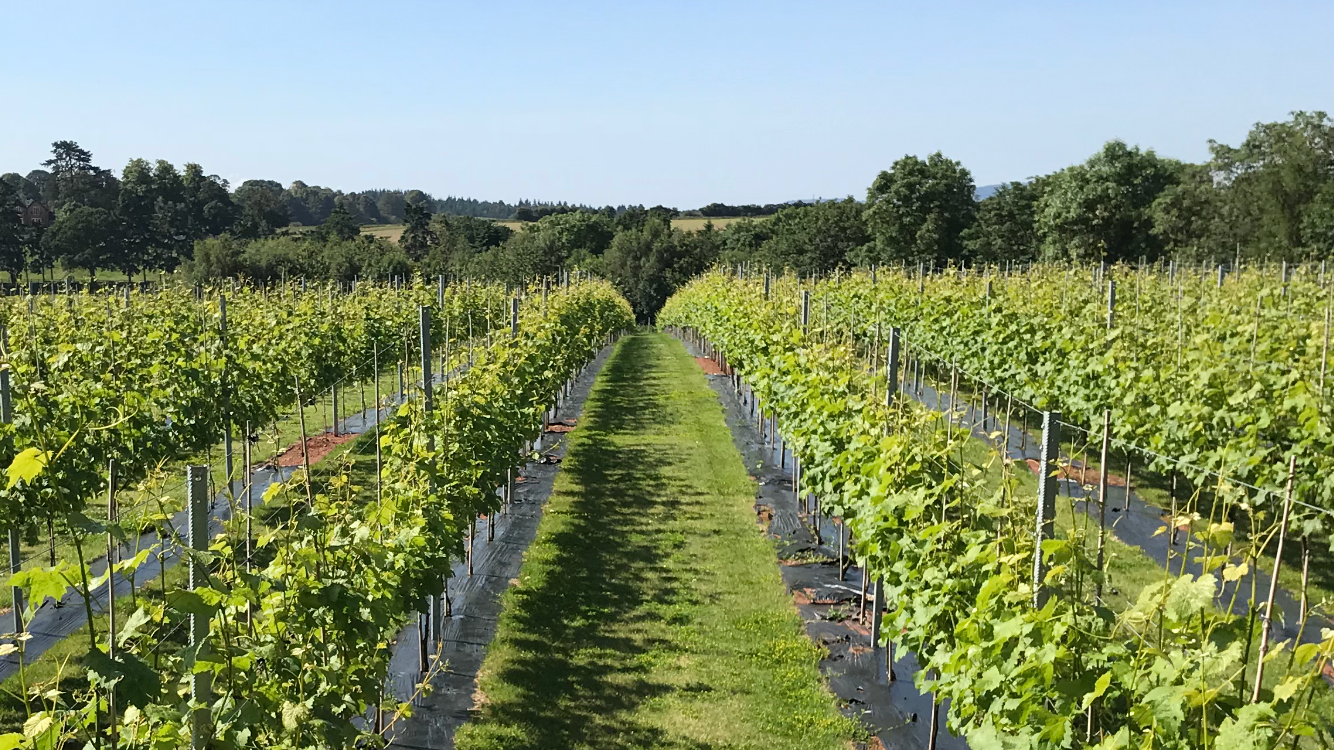
To celebrate English Wine Week 2026 (Saturday, June 20 to Sunday, June 28), we’re delighted to invite wine lovers and the vine‑curious alike to join us for a special series of ‘Taste of Herefordshire’ vineyard tours and tastings. Set at the foot of the Malvern Hills, our multi‑award‑winning vineyard in Bromsberrow will be opening its gates on several dates from May and through June, offering visitors the chance to go behind-the-scenes, learn how English vines are managed and sample some of our acclaimed Herefordshire wines. Discover our vineyard Founded by Heather Williamson and Richard Baker, our vineyard has become a proud part of the growing English wine story. Heather, who is also Chairman of Hereford‑based Wyevale Nurseries , explains: “We’re delighted to once again be hosting these behind‑the‑scenes tours just before and during English Wine Week 2026, which is organised by our industry body, WineGB. Get a Taste of Herefordshire “These events, which we’re calling a ‘Taste of Herefordshire’, give visitors the opportunity to find out how a vineyard runs and works, while enjoying some of the wonderful, award‑winning wines we produce here.” English wine continues to go from strength to strength. According to WineGB, UK wine production surged by 39% in 2025 compared to 2024, thanks to exceptional growing conditions. The year delivered the earliest and ripest harvest ever recorded in the British Isles, marking a standout moment for British viticulture. Award‑Winning wines, grown with care At Foxbury Fields, these national successes reflect what we see in our own vines. The 2025 harvest was one of the most impressive in recent memory, and 2024 also marked another special achievement for us, with a WineGB Award medal for our 2023 still white Ortega. “We’ve been incredibly fortunate over the years,” Heather adds. “We’ve received regional and national recognition since 2017, with awards ranging from bronze and silver medals to highly commended wines. It’s a real privilege to share these with visitors.” Guests on our tours will have the opportunity to taste a selection of our signature wines including our classic vintage English Bacchus and our wonderfully perfumed Ortega. Part of the Malvern Hills Vineyards Foxbury Fields is also proud to be part of a collaborative group of six independent vineyards across Herefordshire, Gloucestershire and Worcestershire, collectively known as The Malvern Hills Vineyards. Together, the group grows 14 grape varieties across more than 68 acres, pooling expertise, experience and a shared commitment to producing high‑quality English wines. What to expect on a ‘Taste of Herefordshire’ Tour Each tour lasts approximately 90 minutes and includes a guided walk through the vines, insight into vineyard management and winemaking, and a tasting of our award‑winning wines, with time to enjoy the peaceful, wildlife‑rich setting of the vineyard. Heather says: “No two visits are ever quite the same. The vineyard is a magical place, alive with wildlife and birdsong, especially around the Summer Solstice.” This year’s English Wine Week is made even more special as Father’s Day and the Summer Solstice both fall on June 21, making our tours an ideal seasonal treat or gift. Tour dates and booking information ‘Taste of Herefordshire’ tour and tasting dates: May May 21 at 6pm June June 17 at 5pm June 19 at 5pm June 20 at 5pm June 21 at 2pm and 5pm June 22 at 7pm June 24 at 6pm June 26 at 2pm and 6pm Price: £15 per person Booking: Advance booking is essential via our online store here . The vineyard is approximately a 15‑minute walk from Russell End Farm. If you have any mobility concerns and would still like to attend, please contact us before booking and we’ll be happy to discuss how we can help. How to find us or get more information Foxbury Fields Vineyard, Russell End Farm, Bromsberrow, Herefordshire, HR8 1PB. Telephone: 07974 793367
Ortega is one of England’s quiet success stories – a grape that thrives in our cool climate and produces beautifully expressive, aromatic wines. Here at Foxbury Fields, Ortega has become a firm favourite, thanks to how naturally it suits our Herefordshire terroir and the style of wines we love to make. Originally developed in Germany, Ortega was bred to ripen early, making it ideal for cooler regions. Generous aromatics In English vineyards, it comes into its own, offering generous aromatics while retaining a fresh, balanced character. Our local climate and soils help Ortega develop gently, allowing its natural qualities to shine without being overpowering. Hedgerow blossom So, what does Ortega taste like? Typically, you can expect delicate floral notes, hints of elderflower and hedgerow blossom, alongside soft stone fruit flavours such as peach or apricot. There’s often a subtle richness on the palate, balanced by refreshing acidity, making Ortega approachable, elegant, and wonderfully versatile. It’s a wine that feels bright and uplifting yet comforting at the same time. Food pairing When it comes to food pairing , Ortega is a real pleasure. Its gentle aromatics work beautifully with lightly spiced dishes, grilled chicken, herby salads and creamy cheeses. It’s also a lovely match for fish, Herefordshire asparagus , which is in season now, and seasonal vegetable dishes – perfect for relaxed lunches or informal dinners shared with friends. Understated elegance Ortega reflects what English wine does best: understated elegance, freshness, and a strong sense of place. It’s a variety that responds thoughtfully to our vineyard, producing wines that are expressive yet restrained. Whether you’re new to English wine or already a fan, Ortega is a wonderful example of why our vineyards are worth celebrating. Like to buy a bottle? Shop here .
As the new growing season is now fully underway, vineyards like us, across the UK, are reflecting on an extraordinary milestone: the 2025 grape harvest, which was confirmed as one of the most impressive in recent British viticultural history. For producers like us, these national results set a powerful tone for this year, highlighting both the potential and the resilience of UK winegrowing. Production surged According to WineGB, UK production surged by 39%, when compared to 2024, driven by a rare combination of early warm weather, a dry spring and four separate heatwaves in June and July across the south of the country. These conditions created the earliest and ripest harvest ever recorded in the British Isles. Alcohol levels rose Quality indicators also point to exceptional fruit maturity. Growing Degree Days reached 1051, notably higher than the five‑year average of 1008, while average potential alcohol levels rose to 10.48%, up from the long‑term figure of 9.47%. Meanwhile, tartaric acid levels fell slightly to 10.22 g/l, supporting balanced acidity in the final wines produced. Several key grape varieties outperformed expectations too: Bacchus, which we grow, reached an impressive 9.5 tonnes per hectare (vs. a 6.75 t/ha five‑year average). Solaris climbed to 7.2 t/ha, up from 4.20 t/ha. Pinot Noir, a cornerstone of many sparkling and still wines, increased to 5.90 t/ha compared to a 5.79 t/ha average. Scale of the year’s results Alongside WineGB’s findings, the Food Standards Agency confirmed the scale of the year’s results, reporting 124,377 hectolitres of wine produced nationwide – equivalent to more than 16.5 million bottles, a remarkable 55% rise on the previous year. Successful year For us, these figures reflect not just a successful year for UK viticulture, which should be heartily celebrated, but are a powerful, positive reminder of what our changing climate can do that’s good and what our ongoing craft and commitment can achieve. While temperatures are up and this has a negative environmental impact too, these figures mean wines can be made and purchased in the UK, reducing the need to import them and the use of resources including fossil fuels to do this. With predictions of another good year weather wise, we look ahead to 2026 with boundless optimism and no small measure of excitement for what is to come. Will it be record-breaking again?
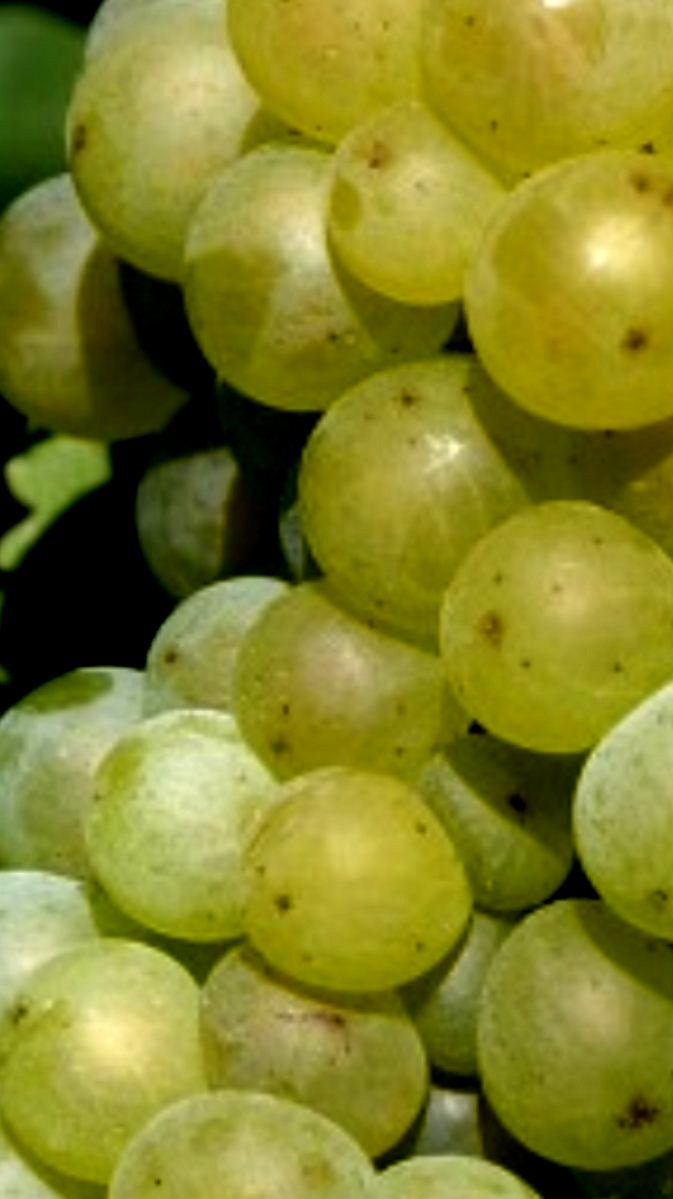
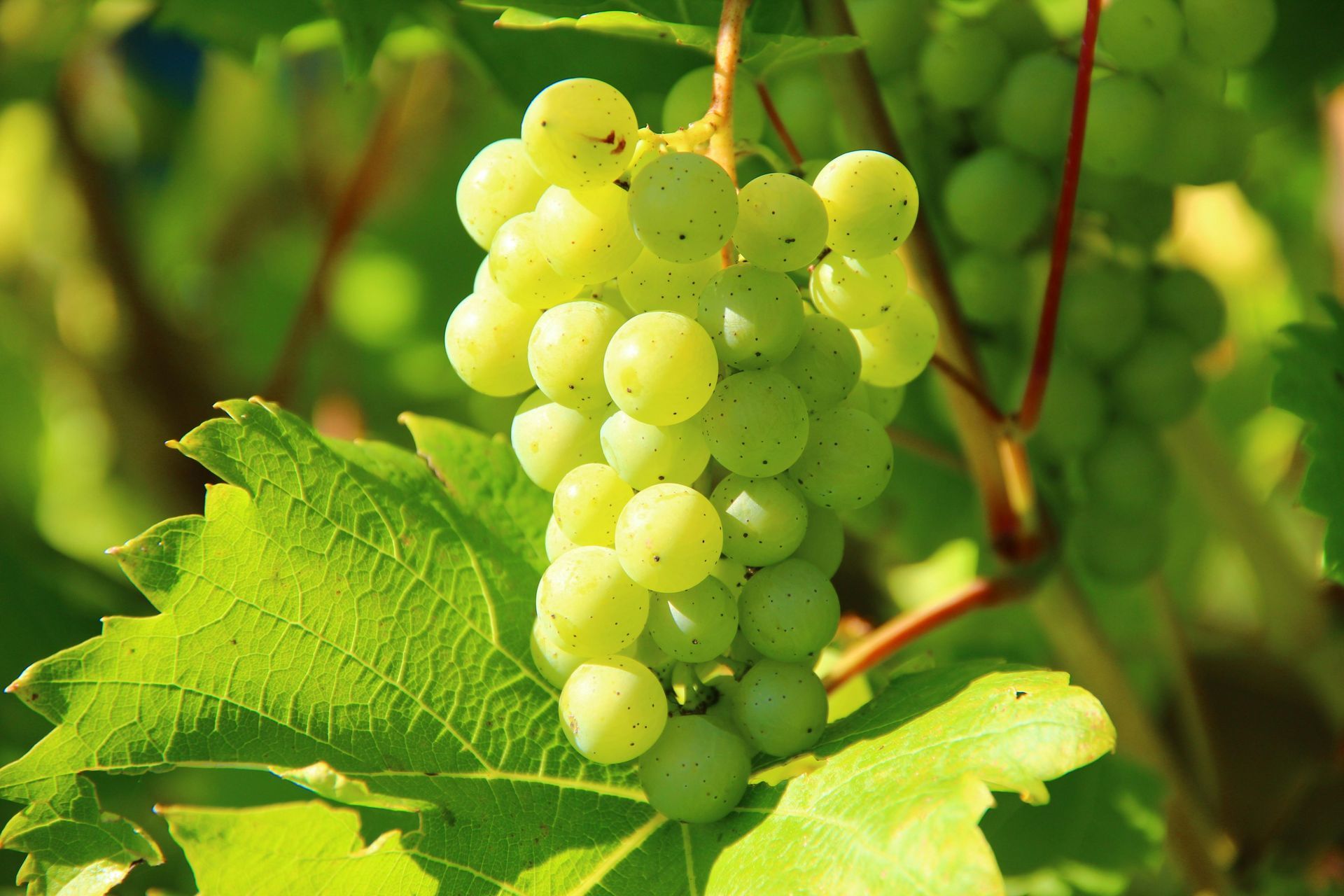
If there’s one grape that has become synonymous with English still wine, it’s Bacchus. Often described as England’s answer to Sauvignon Blanc, Bacchus has captured the attention of winemakers and wine lovers alike and for good reason. Fresh, aromatic and beautifully expressive, it’s a grape that truly shines in our cool-climate vineyards. Vibrant aromatics Bacchus originated in Germany in the 1930s, created by crossing Müller-Thurgau with Silvaner. It was originally planted to bring vibrant aromatics to cooler wine regions, but it wasn’t until the grape reached English soil that its full potential really emerged. Our long, mild growing season gives Bacchus the time it needs to develop delicate aromatics while preserving bright, refreshing acidity. The result? A grape that feels tailor‑made for the English countryside. Expressive notes What makes Bacchus so distinctive is its flavour profile. Expect expressive notes of elderflower, gooseberry, hedgerow herbs and soft citrus – flavours that seem to echo the very landscape around it. On the palate, it’s crisp yet elegant, with a clean finish that makes it incredibly food‑friendly. It pairs beautifully with lighter dishes such as grilled fish, soft cheeses, spring vegetables and fragrant salads. Growing conditions Bacchus thrives in English growing conditions because it prefers cooler temperatures, slower ripening and the gentle balance of sunshine and rainfall found across our vineyards. These conditions help the grape retain its natural acidity while developing the characteristic floral and herbal aromas that Bacchus is known for. Most celebrated Today, Bacchus has become one of the most celebrated still wine varieties in England and it continues to define the modern identity of English white wine. For producers like us, it’s a grape that delivers not only exceptional flavour but a true expression of place – a taste of the English landscape in every glass.
Every vineyard has its own beginning, and for us, that story starts with our co‑founders Heather and Richard, whose shared love of the countryside and passion for growing exceptional English wine inspired the very first vines. Rooted in the rolling Herefordshire landscape, the vineyard was created with a simple belief: that the land here had everything needed to produce wines of real character, authenticity and place. Rhythms of the land Heather’s connection to horticulture runs deep. Through her long‑standing family and business links with Wyevale Nurseries , one of the UK’s most respected growers, she has spent years immersed in the rhythms of the land – nurturing plants, understanding soils and working closely with nature. Establishing the vineyard became a natural extension of that experience and expertise. You can read more here . Family‑run approach From the start, the vineyard was planted and cared for by hand, with the family‑run approach shaping everything from pruning to harvest. Heather and Richard chose to focus on two distinctive English varieties – Bacchus and Ortega – both beautifully suited to the cool climate, gentle slopes and long summer days of their patch of Herefordshire countryside. Craft small‑batch wines Their winemaking ethos is simple: craft small‑batch wines that truly express the season. Each reflecting the sunshine, the rain, the cool snaps and the warmth that shaped the grapes. It’s a slow, thoughtful approach that puts quality above quantity and celebrates the character of the land itself. Craftsmanship What began as a shared passion has grown into a thriving vineyard rooted in family values, craftsmanship and a deep respect for nature. And as Heather and Richard continue to nurture the vines, our story grows too – one harvest, one bottle, one shared moment at a time. Plus, we’ll be sharing some exciting developments later this year too!
More couples than ever are choosing to bring their own wine to their wedding, giving them greater control over flavour, style and budget. But once you decide to choose your own bottles, the next question is: how much wine do you actually need? And what else should you consider to keep your day running smoothly? How much wine should you buy? A simple and reliable guide is to allow half a bottle of wine per guest for the wedding meal and early evening. That usually covers one glass at the reception and two glasses with dinner. For sparkling wine or fizz, plan for one bottle per five-six guests, enough for welcome drinks and toasts. Of course, different weddings drink differently. A relaxed summer celebration may need more chilled white wine, while an evening reception with a cocktail bar may mean you can reduce still wine quantities slightly. Always round up rather than down-running out is something no couple wants. Choosing wines that complement your menu From our perspective, many couples find that choosing local, characterful wines adds a personal touch to their day. Our Ortega and Bacchus are particularly popular choices for wedding meals. Ortega’s soft fruit notes pair beautifully with chicken, fish and vegetarian dishes, while Bacchus offers a crisp, aromatic freshness that lifts lighter starters and summery mains. Selecting wines that complement your menu can elevate the entire dining experience. Practicalities: storage, service & glassware If you’re supplying your own wine, check with your venue about chilling space, corkage fees, serving arrangements and glassware. Make sure someone is responsible for opening and pouring, and that sparkling wines are kept properly chilled. Planning With a little planning, choosing your own wedding wine can be enjoyable, cost‑effective, and wonderfully personal. Cheers!
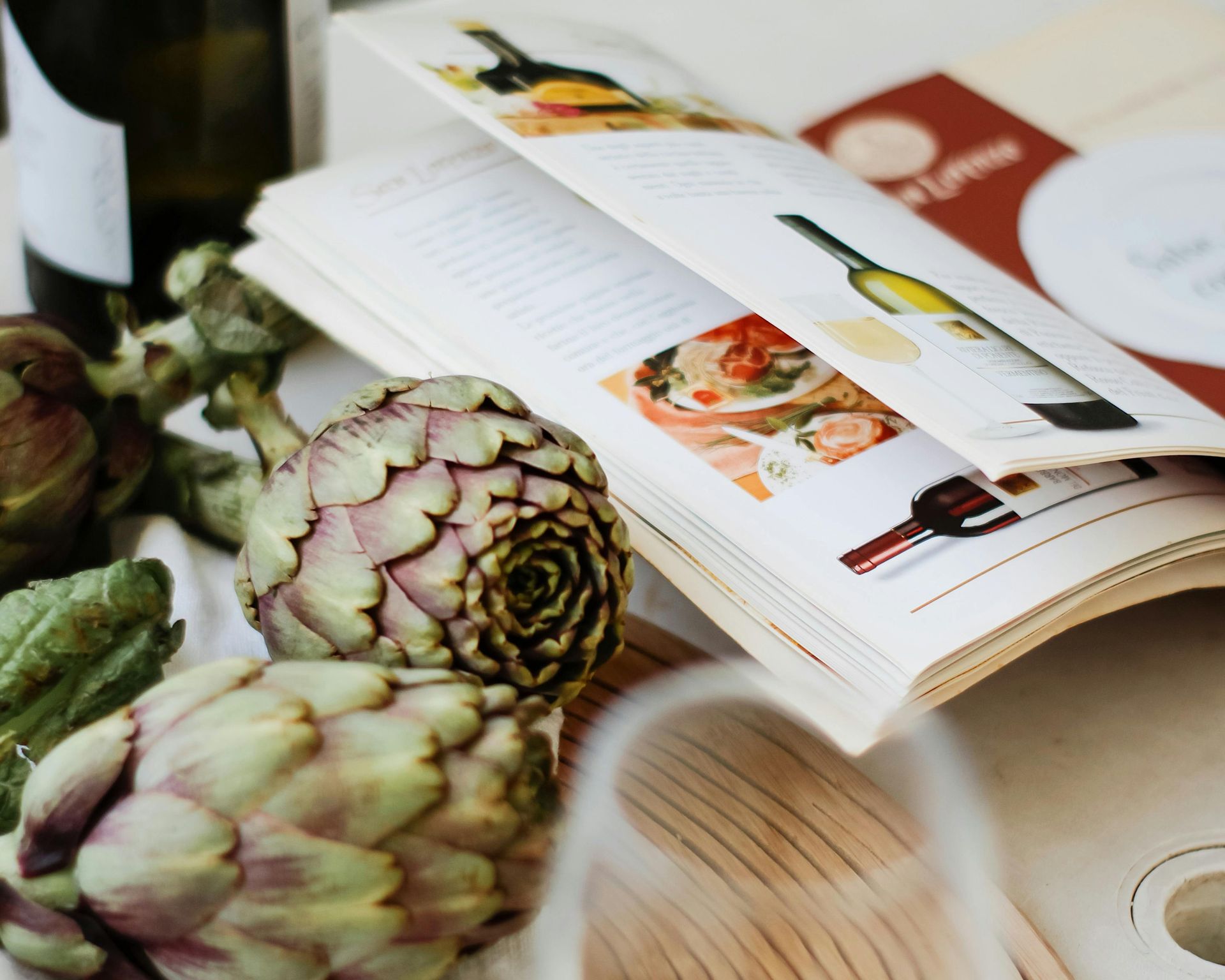
Cooking with white wine is one of the easiest ways to bring brightness, depth, and aromatic complexity to your everyday meals. Whether you’re preparing a simple pan sauce or slow‑braising tender chicken, the right wine can add layers of flavour that water or stock simply can’t replicate. As the alcohol cooks off, it leaves behind concentrated notes of fruit, acidity and subtle sweetness that enhance sauces, vegetables, seafood, and more. One essential rule: cook with a wine you’d actually drink. A poor‑tasting wine won’t improve in the pan. Choosing the right wine Dry whites are typically the most versatile options in the kitchen. Classics like Sauvignon Blanc, Pinot Grigio, and Unoaked Chardonnay bring crisp acidity and balanced fruitiness. Sauvignon Blanc offers zesty citrus ideal for seafood, while Chardonnay adds gentle richness – perfect for creamy dishes. Our English wines But if you want to expand beyond the standard choices, aromatic English grapes like our Bacchus and Ortega can be fantastic additions to your cooking toolkit. Bacchus, known for its lively, herbaceous character and hints of elderflower, can brighten soups, vegetable dishes, and delicate sauces, adding a fragrant lift similar to Sauvignon Blanc but with a uniquely English twist. Ortega, softer and rounder, brings gentle stone‑fruit notes that work beautifully in cream‑based recipes, risottos and chicken dishes. Its mellow profile enriches sauces without overwhelming them. Avoid sugary wines unless a recipe specifically calls for sweetness and skip ‘cooking wines’, which are often acidic, salty and lacking in nuance. How to use white wine in cooking White wine shines in pan sauces, risotto, soups, and braises. Deglazing a hot pan with wine instantly unlocks savoury browned bits, forming a rich base for butter, herbs, or cream. A splash in marinades also helps tenderise proteins while adding elegant flavour. Experimenting with different white wines – traditional and aromatic – can transform everyday meals into something special. Cheers to creative cooking!

English wine has never been in a better position. Once considered a niche choice, it is now gaining widespread recognition for its quality, character and sustainability. Several key factors are driving this success and helping English wine stand proudly on the global stage. Harnessing a changing climate One of the biggest influences on the rise of English wine is climate change. Warmer, longer growing seasons are allowing grapes to ripen more reliably, while England’s naturally cool conditions still preserve the fresh acidity that defines its wines. This balance is particularly well‑suited to varieties such as our Bacchus – producing wines that are vibrant, elegant and food‑friendly. Improved skills & investment The growth of English wine has also been supported by increased investment and expertise. Vineyard managers and winemakers are continually refining techniques, from canopy management to harvest timing. Modern equipment and a deeper understanding of English soils mean producers can respond to each vintage with precision, resulting in consistently higher quality wines. Sustainability & appeal Sustainability plays a major role in English wine’s popularity. Locally produced and not flown around the world, English wine has a lower carbon footprint compared to many imports. Many vineyards also focus on environmentally responsible growing and production, which resonates strongly with today’s conscious consumers who want to support nearby, independent businesses. A shift in perception Perhaps most importantly, attitudes have changed. Awards, positive media coverage and growing availability have encouraged people to choose English wine with confidence. Consumers are increasingly curious, proud to buy British and eager to explore what’s being produced closer to home. Together, these factors have created the perfect moment for English wine to flourish – and its future looks brighter than ever.
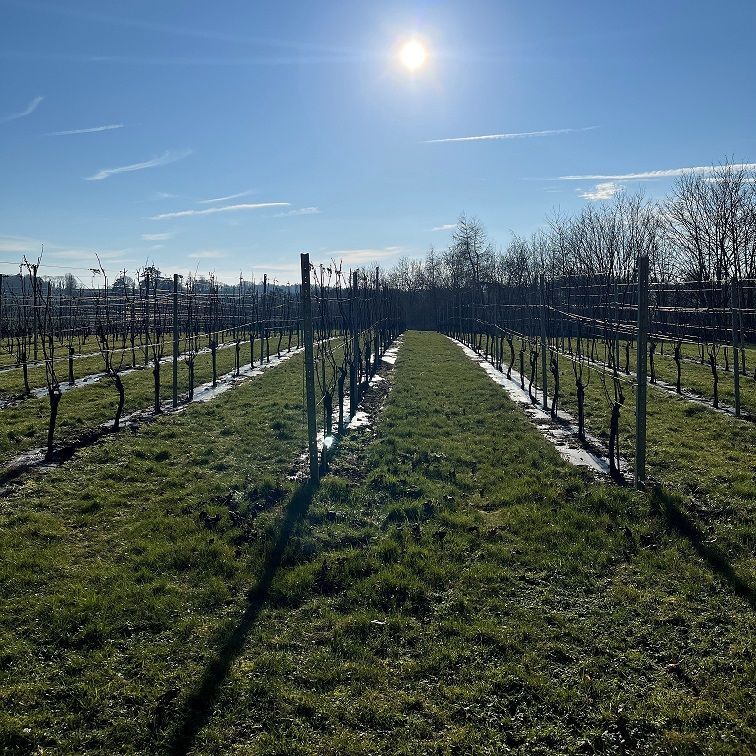
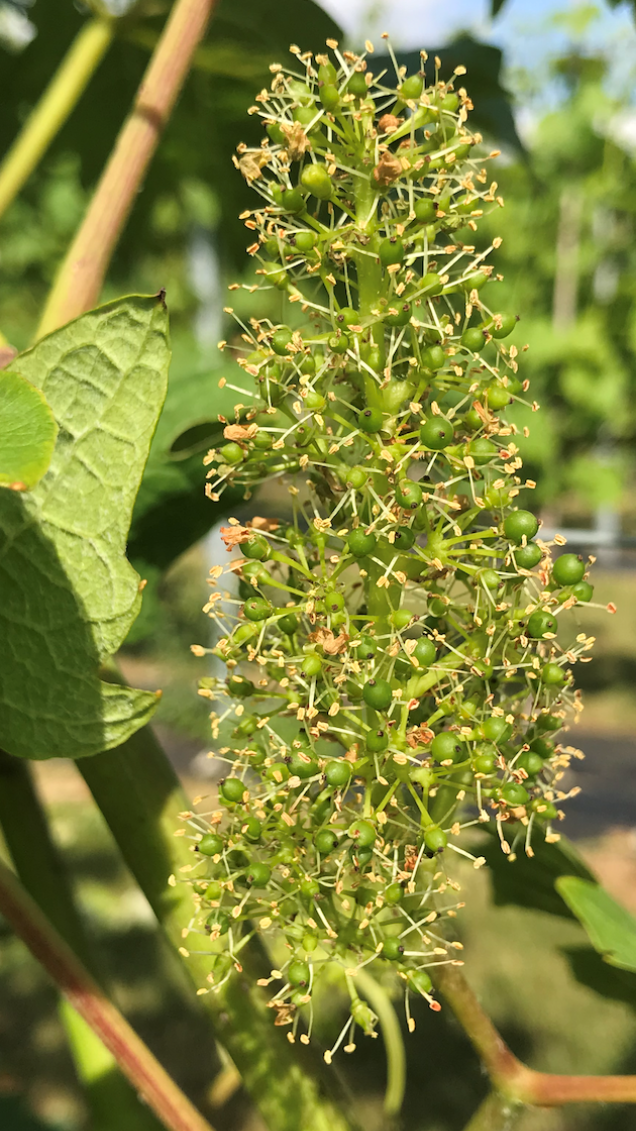
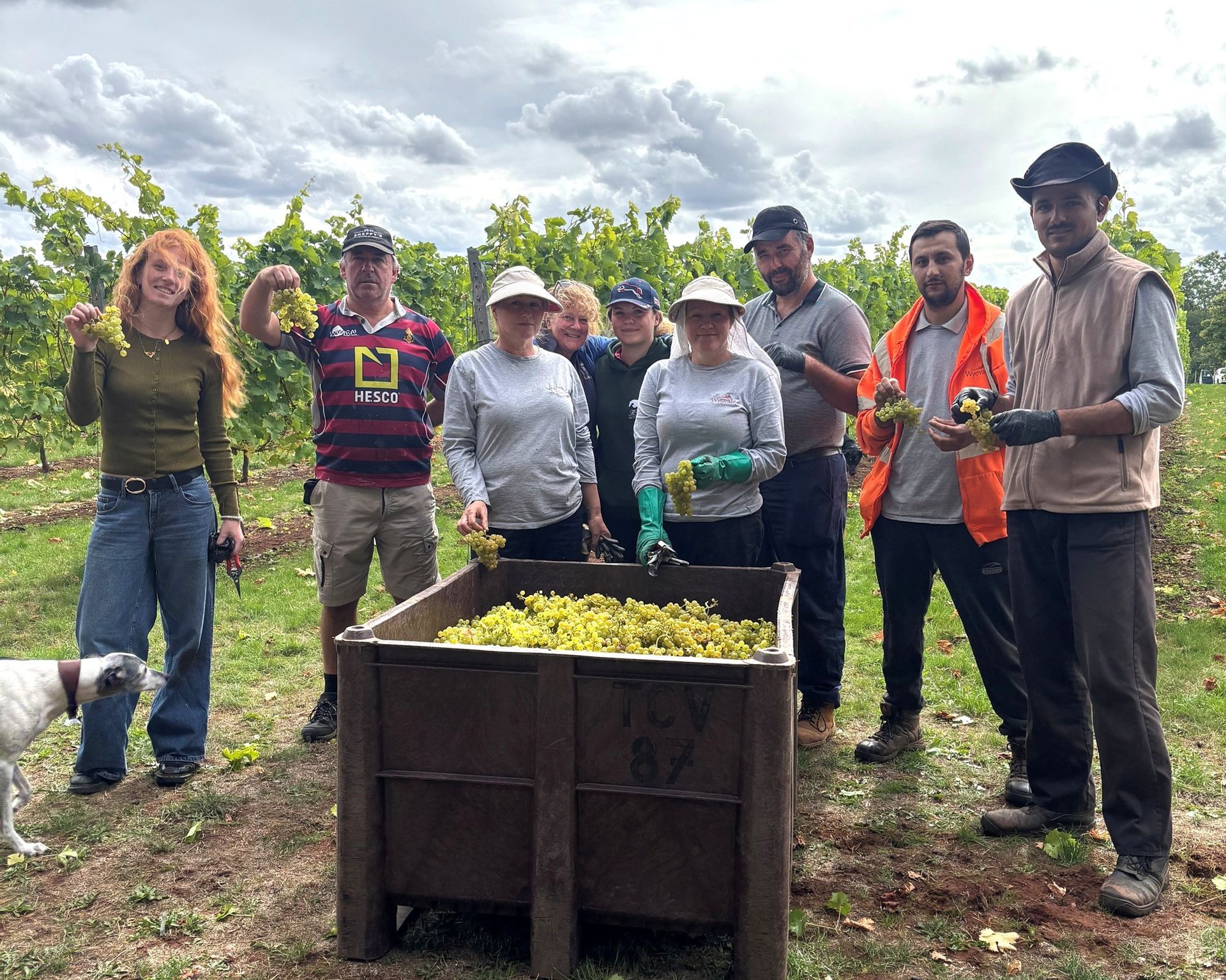
Managing an English vineyard is a truly hands‑on, year‑round commitment that demands patience, adaptability and a close connection with the land. Unlike warmer wine‑growing regions, English vineyards must work in harmony with a cooler, changeable climate, making careful planning essential at every stage of the season. Pruning It all begins in the vineyard during winter, when pruning takes place. This is one of the most important jobs of the year, shaping the vine and controlling how much fruit it will produce. Getting this right helps ensure healthy growth and balanced yields later in the season. As spring arrives, budburst follows, bringing both excitement and risk, as young shoots can be vulnerable to late frosts. Growing season Throughout the growing season, vineyard managers closely monitor vine health, focusing on canopy management to improve airflow and sunlight exposure. This reduces the risk of disease and encourages even ripening of the grapes. In England’s often damp conditions, vigilance is key, with regular checks helping to catch issues early and minimise intervention. Harvest Harvest time is the reward for all that hard work. Timing is critical; grapes must be picked at exactly the right moment to achieve the desired balance of acidity, sugar and flavour. Many English vineyards – like us – harvest by hand to protect fruit quality and allow careful selection. Sustainability Beyond the vines, sustainability plays an increasingly important role. From soil care and biodiversity to responsible water use, modern English vineyards aim to protect the environment while producing high‑quality fruit. Ultimately, managing an English vineyard is about respect for nature, attention to detail and responding to what each year brings – all helping to create wines that truly reflect our landscape.

If you’re passionate about wine and want to deepen your knowledge beyond the glass, there’s a world of literature waiting for you. Whether you’re a casual sipper or a budding connoisseur, these books offer insight, history and practical tips for appreciating wine at its finest. Wine and Food: The Perfect Match Pairing wine with food is an art, and this book makes it accessible. It’s packed with practical advice for British favourites – from roast beef to fish and chips, which goes rather well with our wines – ensuring your next dinner party shines. The World Atlas of Wine by Hugh Johnson & Jancis Robinson Considered the bible of wine lovers, this beautifully illustrated guide explores vineyards across the globe. It’s ideal for those curious about terroir and the geography behind great bottles. Wine Folly: Magnum Edition by Madeline Puckette & Justin Hammack For a modern, visual approach, Wine Folly simplifies complex concepts with infographics and charts. Perfect for beginners who want to learn without feeling overwhelmed. Adventures on the Wine Route by Kermit Lynch This charming travelogue takes you through French wine country, blending storytelling with practical insights. It’s a delightful read for anyone dreaming of a vineyard holiday. Oz Clarke’s Wine Guide No British wine book list is complete without Oz Clarke. His approachable style and expert recommendations make this guide a must-have for navigating supermarket shelves or planning a cellar.
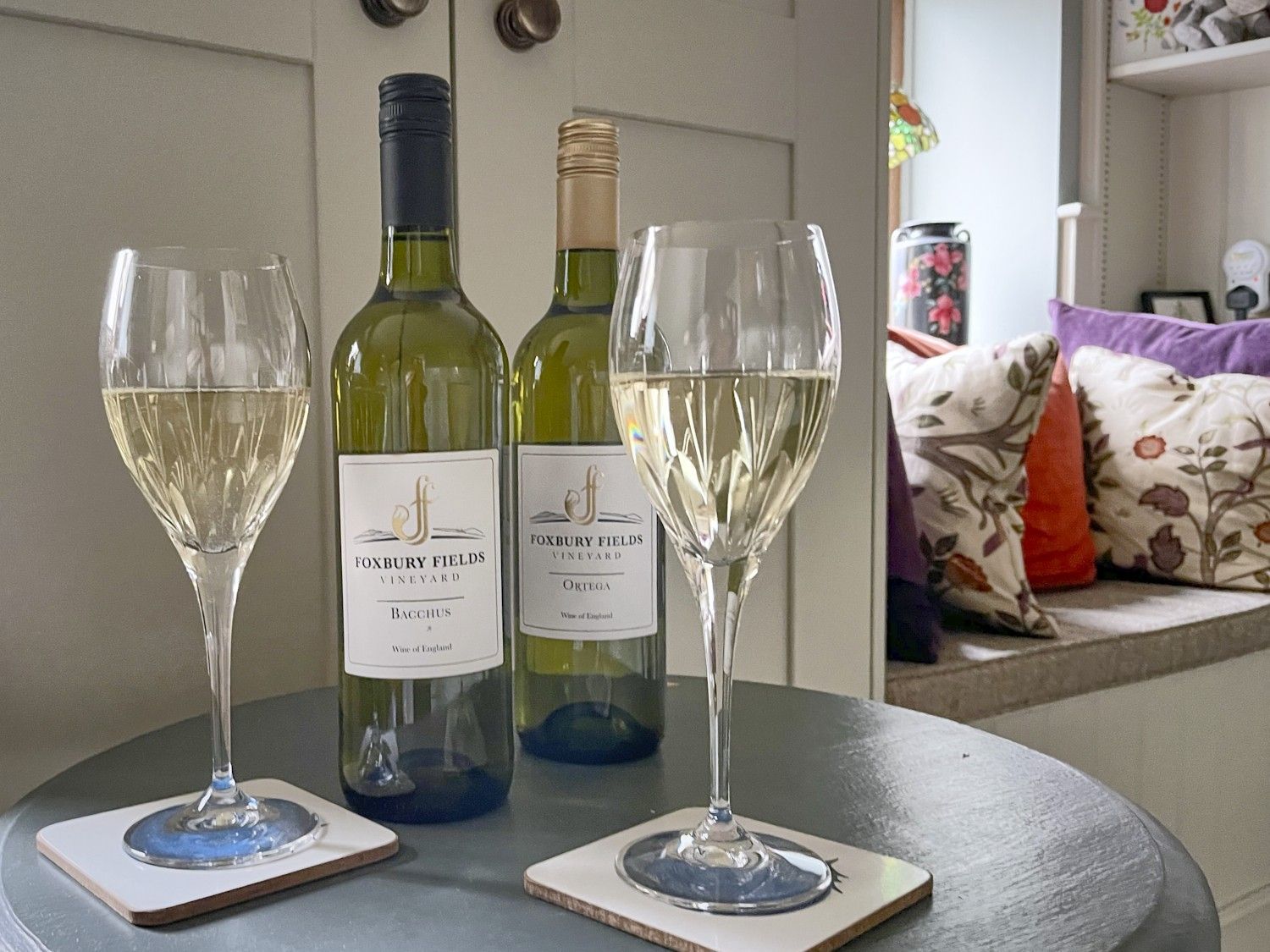
English wine has undergone a remarkable transformation during the past two decades, evolving from a niche curiosity into a globally respected industry. Once overshadowed by France and Italy, England is now producing award-winning wines that rival the best in the world. Climate & craftsmanship The secret lies in climate and craftsmanship. Warmer summers and longer growing seasons – thanks to climate change – have created ideal conditions for grape varieties like our Ortega and Bacchus, as well as Chardonnay and Pinot Noir. Star of the show These latter two are the same grapes used in Champagne, which explains why English sparkling wine has become the star of the show. In fact, our counterparts at producers such as Nyetimber and Chapel Down regularly beat French counterparts in blind tastings. Distinctive character But English wine isn’t just about sparkling. Still wines, like ours, particularly crisp Bacchus whites and elegant Pinot Noirs, are gaining recognition for their distinctive character. With more than 900 vineyards across the UK, the industry now contributes significantly to the rural economy, creating jobs and attracting wine tourism. Why does this matter? English wine represents sustainability, innovation and we’re proud to be part of this burgeoning industry. Supporting producers near you reduces carbon footprints and strengthens communities. It also offers wine lovers a chance to explore unique flavours that reflect England’s terroir. Buy British So next time you’re choosing a bottle, consider picking something that’s English and, where possible, produced on your doorstep. Whether it’s a celebratory sparkling or a refreshing white, like on of ours, English wine is no longer an underdog – it’s a world-class contender.
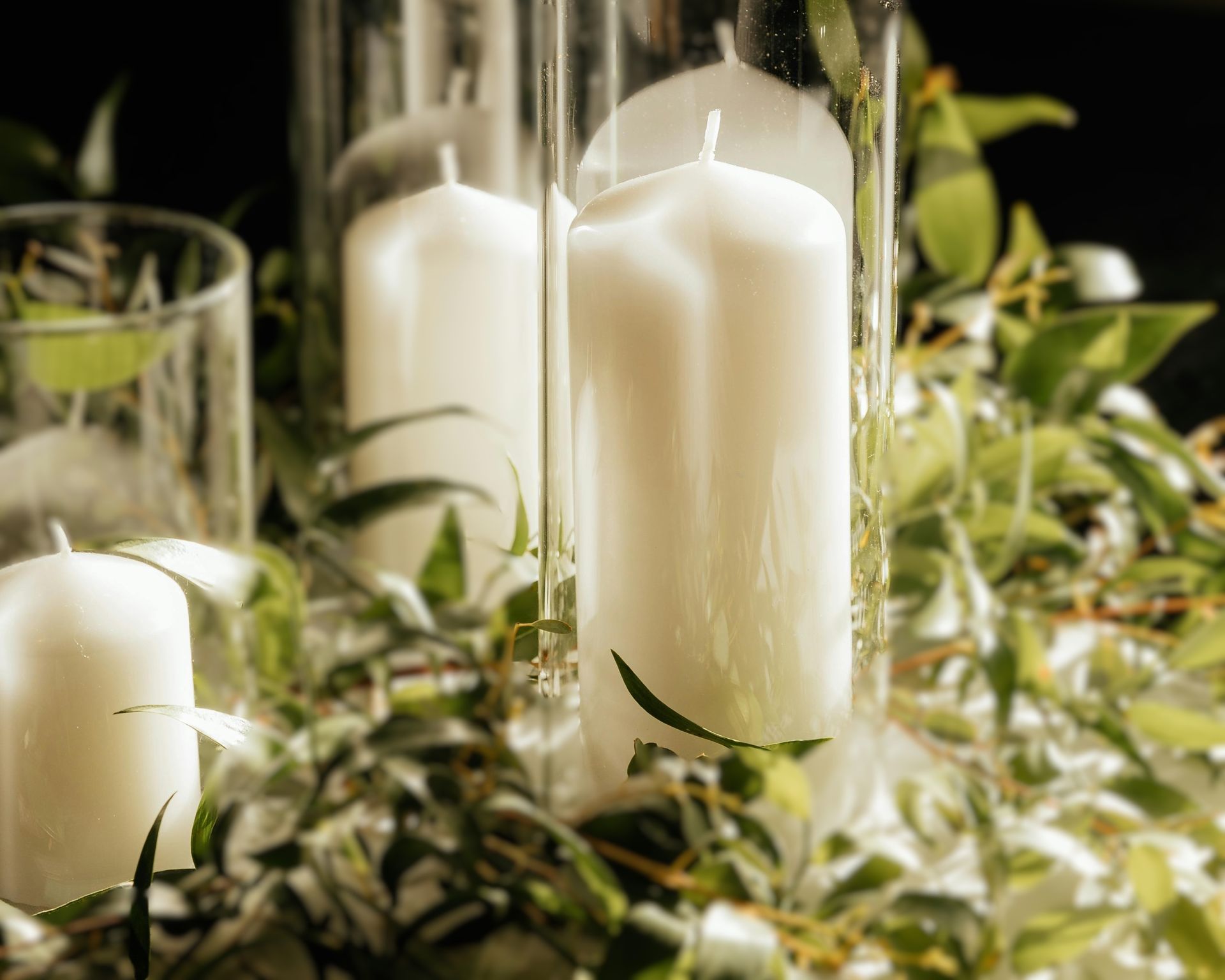
Looking to add a handmade touch to your Christmas table this year? A festive foliage candle arrangement is a beautiful, natural way to bring seasonal charm to your home – and it’s easier to make than you might think! Here’s how to create your own stunning centrepiece using fresh greenery and a little creativity and afterwards you can raise a glass of our wine to celebrate your successful creation. What you’ll need: A small round or square floristry dish (around 6–7 inches) An environmentally sound floral foam (cut to fit your dish) Florist tape A candle — either a tall taper or a classic church candle A selection of fresh foliage Gloves and sharp secateurs Optional decorations: pinecones, dried orange/lime slices, cinnamon sticks, baubles, and mini festive ornaments Florists wire (for securing decorations) Step-by-step guide : Prepare your base Cut your foam to fit snugly inside the floristry dish. Soak it thoroughly in water, then place it back into the dish. Use florist tape to secure it – tape across both sides and wrap around the dish but leave the centre clear for your candle. Add your candle Choose your candle style – a thin taper for elegance or a church candle for a traditional look. For a church candle, gently scrape out a hole in the foam to nestle it securely. Select and prepare your foliage Use a mix of fresh foliage to keep your arrangement looking vibrant for longer. Wearing gloves, trim each piece with secateurs, removing lower leaves to leave a clean stem for easy placement. Build your arrangement Start at the base, inserting one piece of foliage at a time. For a round shape, keep all pieces the same length. For an oval design, use shorter pieces on the sides. As you work upwards toward the candle, gradually shorten each layer to create a neat, tapered effect. Add festive flair Fill any gaps with extra foliage, then decorate with seasonal touches – pinecones, dried citrus slices, cinnamon sticks, baubles, or mini ornaments. Use florists wire to secure them in place. Care tips Keep your arrangement in a cool spot, away from direct heat, and water the foam regularly to keep the foliage fresh throughout the festive season.
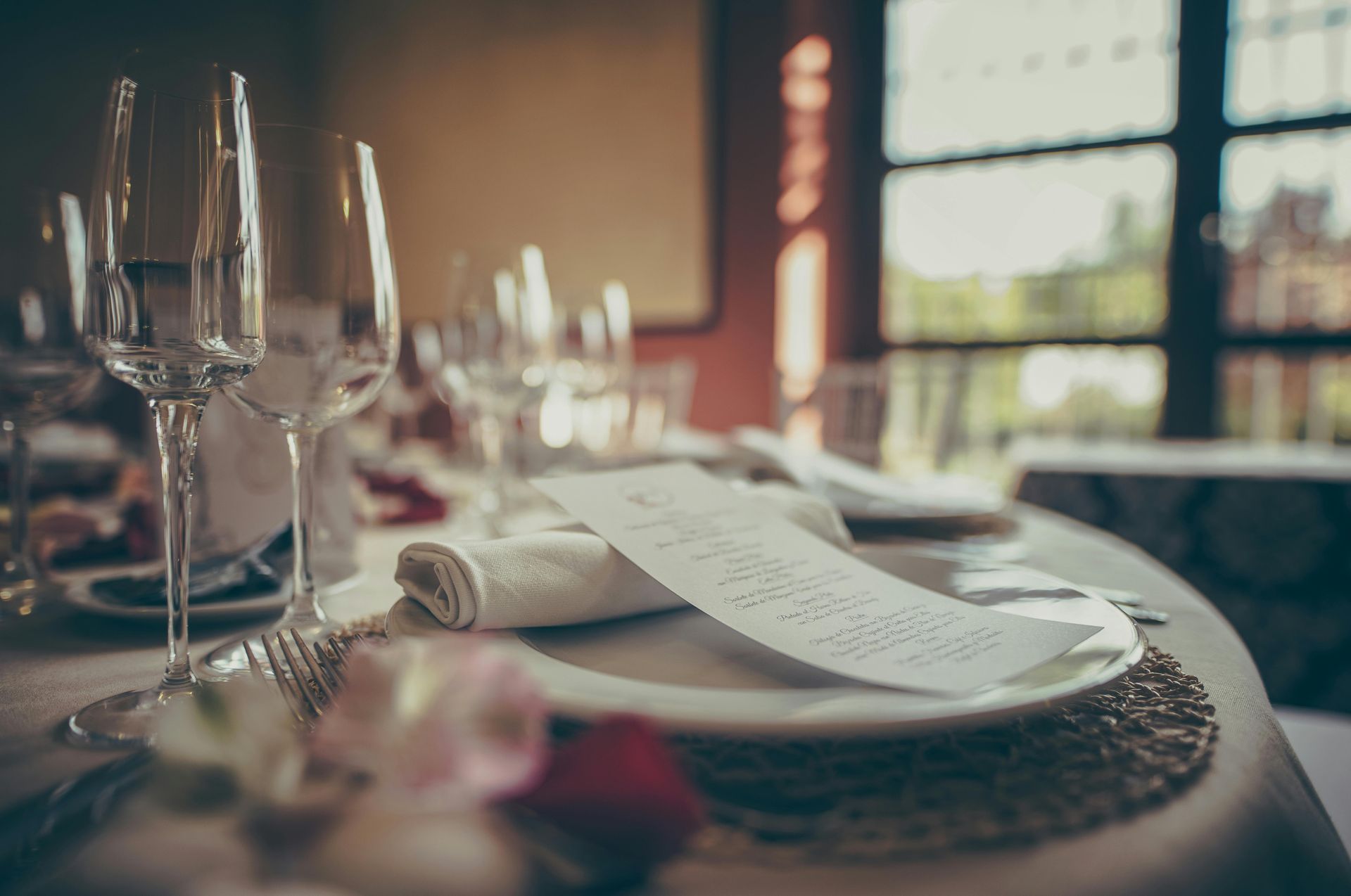
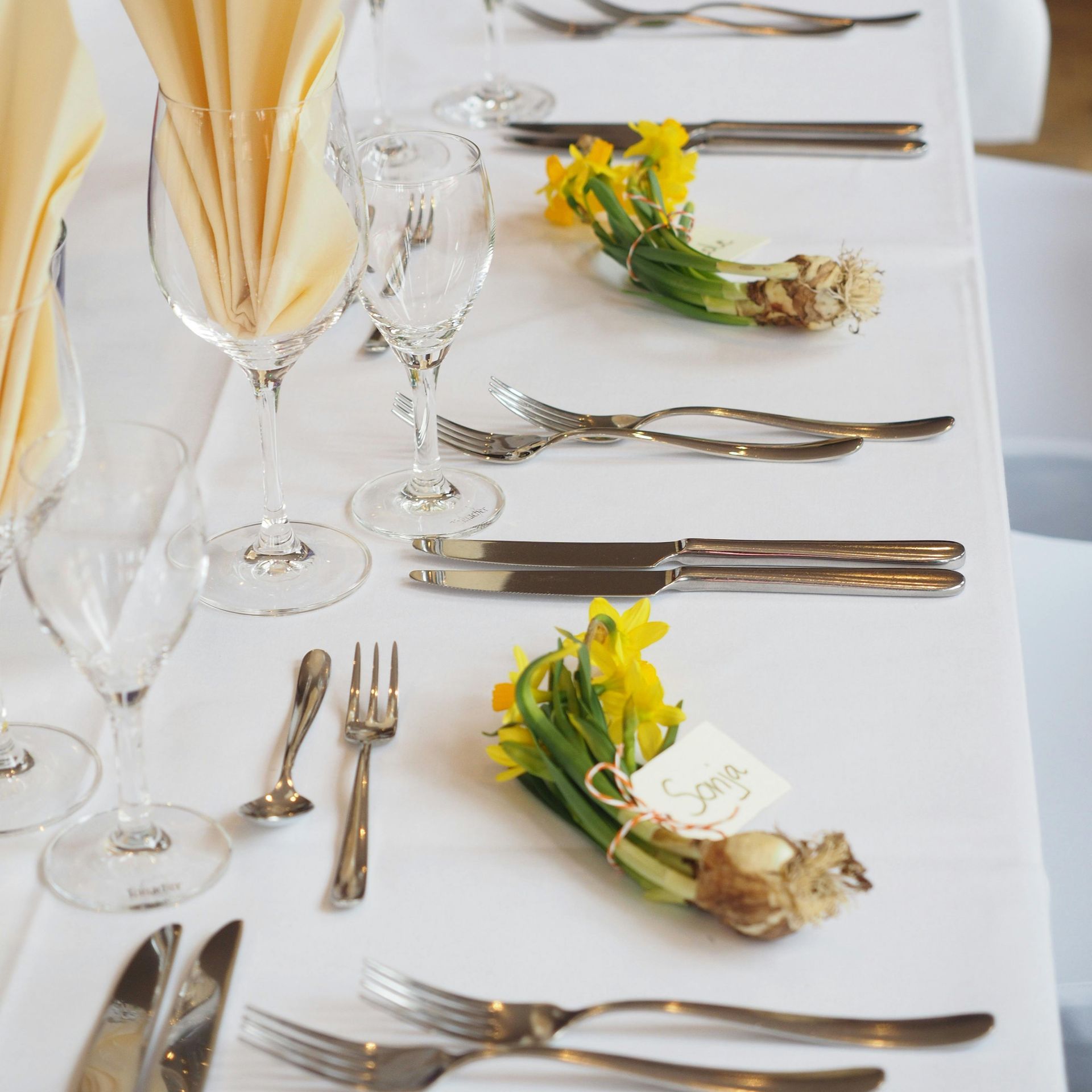
Creating a refined dining experience begins with the details – and one of the most impactful yet often overlooked elements is the arrangement of wine glasses in relation to other tableware. A well-set table not only enhances the aesthetic appeal but also reflects thoughtfulness and sophistication, setting the tone for a memorable meal. Arranging glassware When arranging glassware, symmetry and accessibility are key. Begin by placing the water glass to the left, slightly above the main plate. This anchors the layout and serves as a visual starting point. Next, position the red wine glass to the right of the water glass, aligning it diagonally above the knife. This placement balances the setting and allows for easy reach. Serving white wine If serving white wine, place the white wine glass to the right of the red wine glass, forming a gentle arc that guides the eye and hand naturally. This arrangement ensures that each glass is within comfortable reach and clearly designated for its purpose. It also complements the overall flow of the table, harmonising with the placement of plates, cutlery, and napkins. Small touches Whether you’re hosting a formal dinner or a casual gathering, these small touches elevate the experience and show your guests that every detail has been considered. Once the glasses are in place, serving wine becomes an art in itself. Present each bottle with care, pour with precision, and match the wine to the appropriate glass. With a thoughtfully arranged table and a graceful presentation, your guests will not only enjoy the meal but also appreciate the ambiance you’ve created.
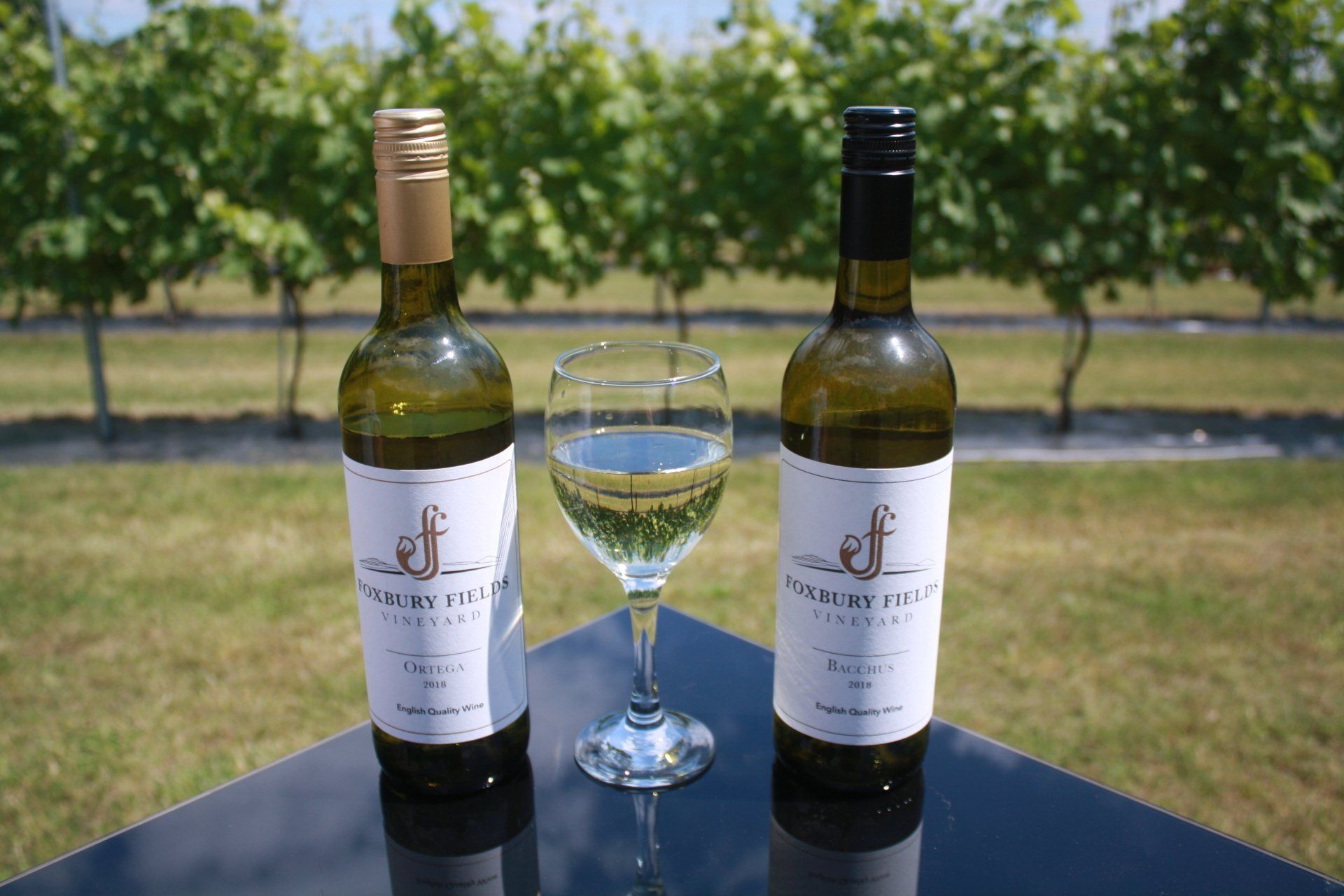
We’ve scooped a Bronze Medal at the 2025 Wines of Great Britain (WineGB) Awards. We achieved the award for our Ortega in a year where the body saw still wines for the first time surpass sparkling in entries and medals. Ortega wine The WineGB Awards take place each year and we’re thrilled to have been awarded one of the 2025 coveted medals for our 2023 still, white, Ortega wine, which is made with grapes grown at our little vineyard at the foot of the Malvern Hills. Organised and run by the wine industry body, WineGB, the aim and purpose of the awards is to send out a powerful message on the quality, consistency and variety of wines grown solely in England and Wales. It’s wonderful to be showcased alongside our peers, who come from so many different areas and range in sizes from large to micro, like us. Boom time During the past few years, English wines have seen a boom time and this has been shown by the high calibre of entrants this year. The judges sipped their way through hundreds of entries from lots of wonderful wine producers. The standards were very high this year and we scored an amazing 87 points to achieve our Bronze. WineGB is the national association for the English and Welsh wine industry. It represents, leads and supports the sustainable growth of the Great British wine sector. Well-deserved recognition Melania Battiston, Judging Panel Lead, adds: “With still wines, while the quality is undoubtedly high, they are less predictable, which is part of what makes them so exciting. There’s a sense of freedom and experimentation, with winemakers exploring their own styles and, thanks to WineGB, increasingly gaining well-deserved recognition for it.” With more than 500 members, WineGB works to cultivate success across the industry. It supports its three key areas of activity: to ensure strong production and a skilled workforce, to increase sales and safeguard quality, and to enhance the reputation of English and Welsh wine. Exceptional homegrown wine It’s really spectacular being recognised by such an important organisation in our sector. It supports our long-held belief that homegrown wine can taste exceptional. All about the wine The Ortega grape is a combination of Müller-Thurgau and Siegerrebe and the wine we produce is a delightfully perfumed medium dry white wine with refreshing lemon and orange aromas. Crisp and deliciously fruity, it is wonderful on its own, as an aperitif or is an ideal accompaniment to fish dishes. Ortega wines often have hints of Muscat and peach, along with a citrus aroma, which produces a crisp and fruity wine. The judges’ tasting notes described it as having a lemony hue with soft white currant and greengage on the nose. Creamy mid-palate and crisp finish. Interesting texture and weight. Ortega matures early and isn’t susceptible to frosty conditions, making it ideal for wine production in the UK. Buy our wine online You can buy our current wines online from our e-store here . Like to stock us? If any businesses in the area would be interested in stocking and selling our Foxbury Fields Vineyard wines direct to the public, we would love to hear from them too. They can get in touch with us by calling 07974793367 or emailing heather@foxburyfields.co.uk .

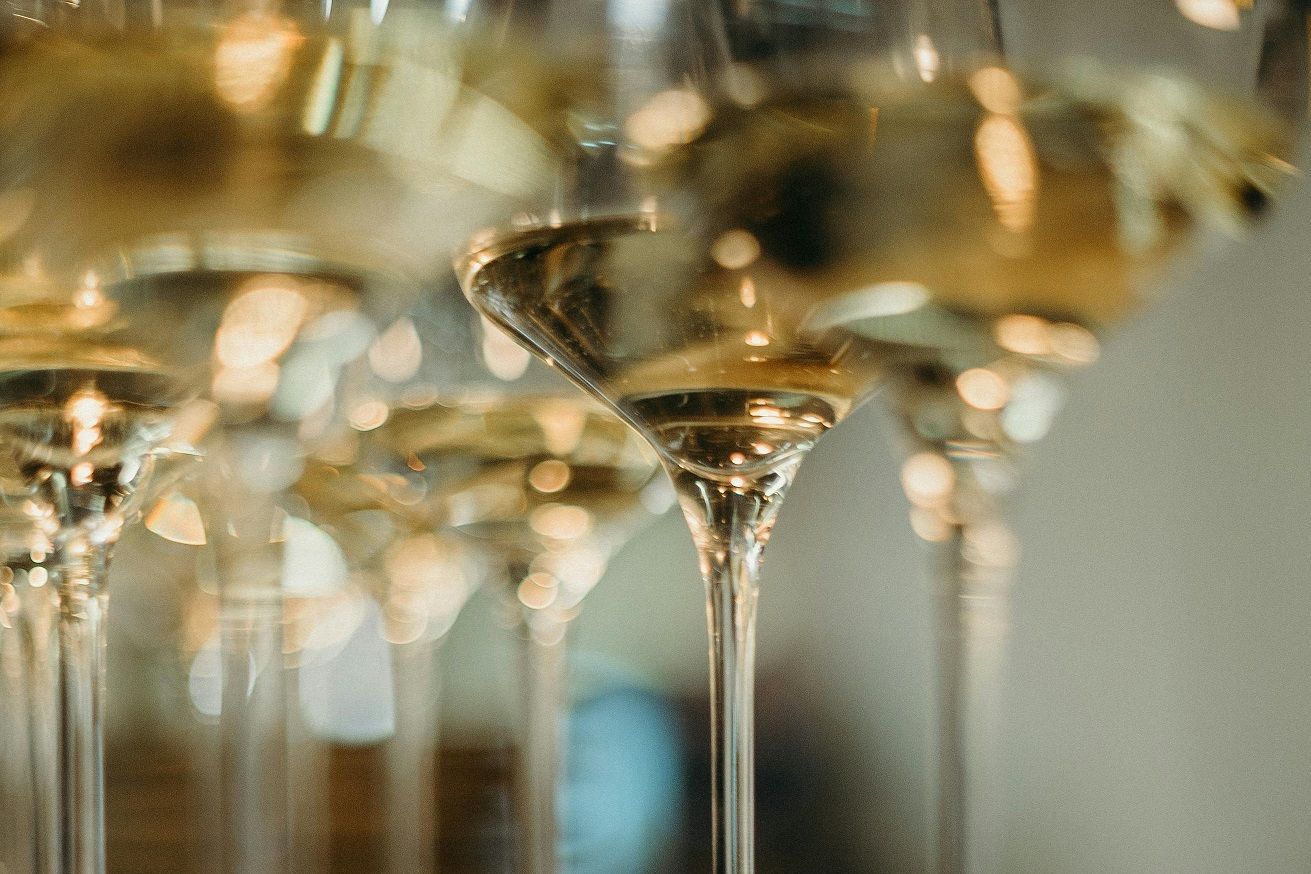
Each glass of wine is a unique experience. From the swirl of the glass to the aroma that rises with each sip, every detail contributes to the enjoyment. One often-overlooked aspect of wine appreciation is the glass itself. The way you hold it and the type of glass you choose can significantly elevate your wine drinking experience. Hold with grace Start with how you hold your wine glass. Grasping it by the stem isn’t just about looking refined – it serves a practical purpose. Holding the bowl of the glass transfers heat from your hand to the wine, potentially altering its intended temperature and flavour profile. By holding the stem, you preserve the wine’s integrity while adding a touch of elegance to your presentation. Choose the right glass Not all wine glasses are created equal. The shape and size of the glass can enhance the wine’s aroma, flavour, and overall experience. Here are three tips to help you choose wisely. Match the glass to the wine Different wines have unique characteristics, and the right glass can highlight them beautifully. Sparkling wines, for instance, shine in tall, narrow flutes that help preserve their effervescence. Meanwhile, full-bodied reds benefit from wide bowls that allow the wine to breathe and develop its complex aromas. Mind the rim Trim of the glass affects how the wine flows onto your palate. A wider rim suits bold wines, offering a fuller taste experience. For delicate, aromatic wines, a narrower rim helps concentrate the bouquet, enhancing the sensory pleasure. Pairing with food The right glass can also complement your meal. A wide bowl is ideal for red wines paired with rich dishes like steak or pasta, allowing the wine’s aromas to mingle with the food’s flavours. This harmony between wine and cuisine creates a more immersive dining experience. Sip, savour, celebrate By paying attention to these details, you can transform a simple glass of wine into a moment of indulgence. Whether you're hosting a dinner party or enjoying a quiet evening, the right glass and a mindful approach can make all the difference. So next time you pour a glass, remember – it’s not just about the wine – it’s about how you enjoy it. Cheers to enhancing every sip! Check out our latest blog to find out more.

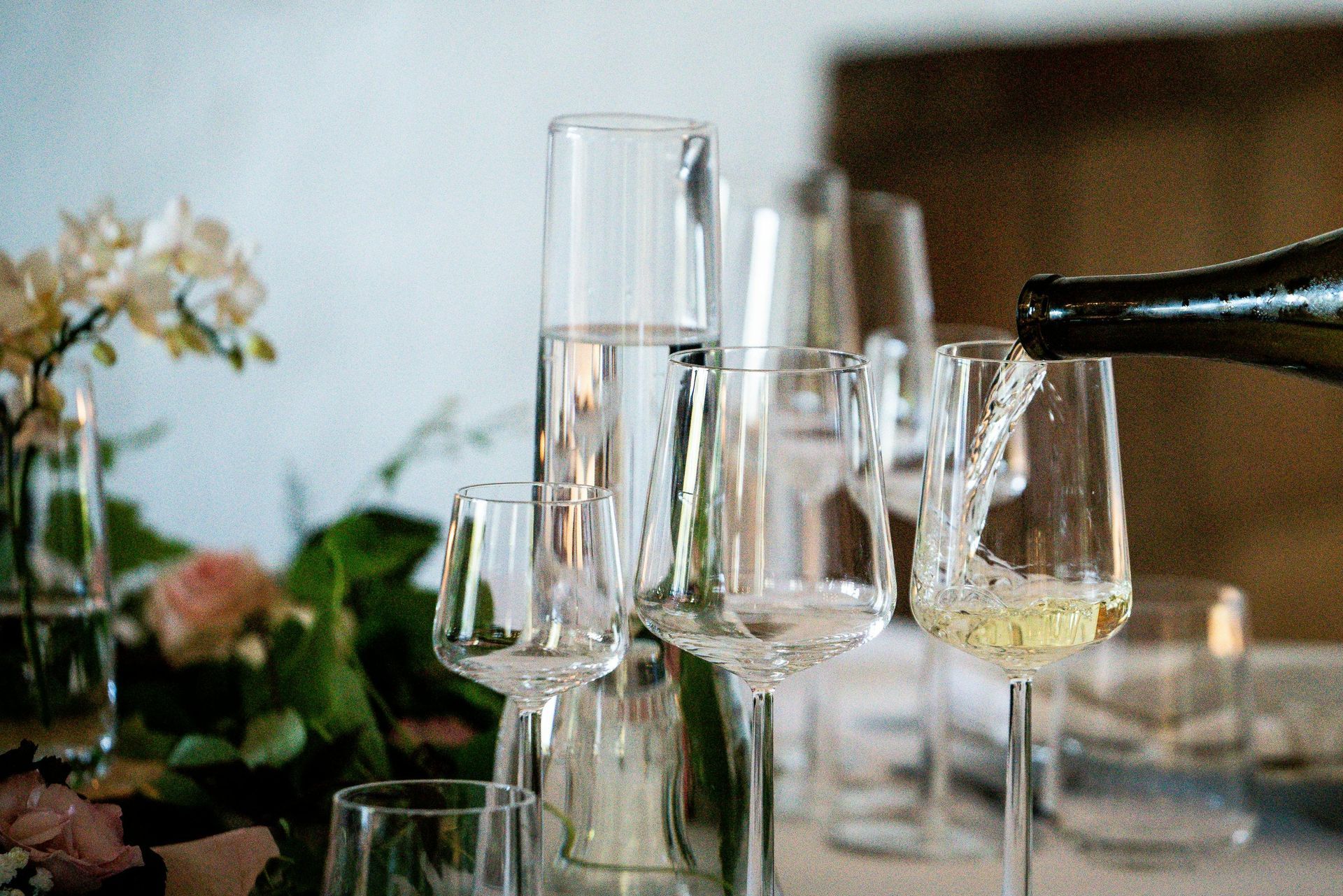
Wine is more than just a drink – it’s a ritual, a celebration of culture, craftsmanship, and connection. To truly appreciate wine, one must go beyond taste and aroma and embrace the art of pouring with precision and grace. This seemingly simple act can transform the entire experience, adding elegance and intentionality to every glass. Mastering the pour Mastering the pour begins with how you hold the bottle. Always grip it by the neck, not the body. This prevents fingerprints from smudging the label, preserving the bottle’s presentation – especially important when serving guests or showcasing a prized vintage. It’s a subtle gesture, but one that speaks volumes about your attention to detail. Next, focus on the pour itself. Wine should be poured slowly and steadily, allowing it to gently cascade into the glass. This not only minimizes splashing but also helps release the wine’s aromas, enhancing its bouquet. A controlled pour also ensures the right amount is served – typically about one-third of the glass – to allow room for swirling and aeration. Decanting For red wines, especially older vintages, consider decanting. Decanting allows the wine to breathe, softening tannins and unlocking deeper layers of flavour and complexity. It’s a graceful process that signals reverence for the wine and heightens anticipation for the tasting to come. These techniques aren’t just about aesthetics – they’re about respect. Respect for the wine, the winemaker, and the moment. Whether you’re hosting a dinner party or enjoying a quiet evening alone, pouring with care elevates the experience from routine to ritual. Glass etiquette Once you’ve mastered the pour, the next step is understanding proper wine glass etiquette. From choosing the right glass shape to holding it correctly, every detail contributes to the enjoyment and appreciation of wine. In the world of wine, grace and precision go hand in hand. By refining your pouring technique, you not only showcase your knowledge but also create a more immersive and memorable experience for yourself and others. So, the next time you uncork a bottle, take a moment to pour with intention – and savour the elegance in every drop.

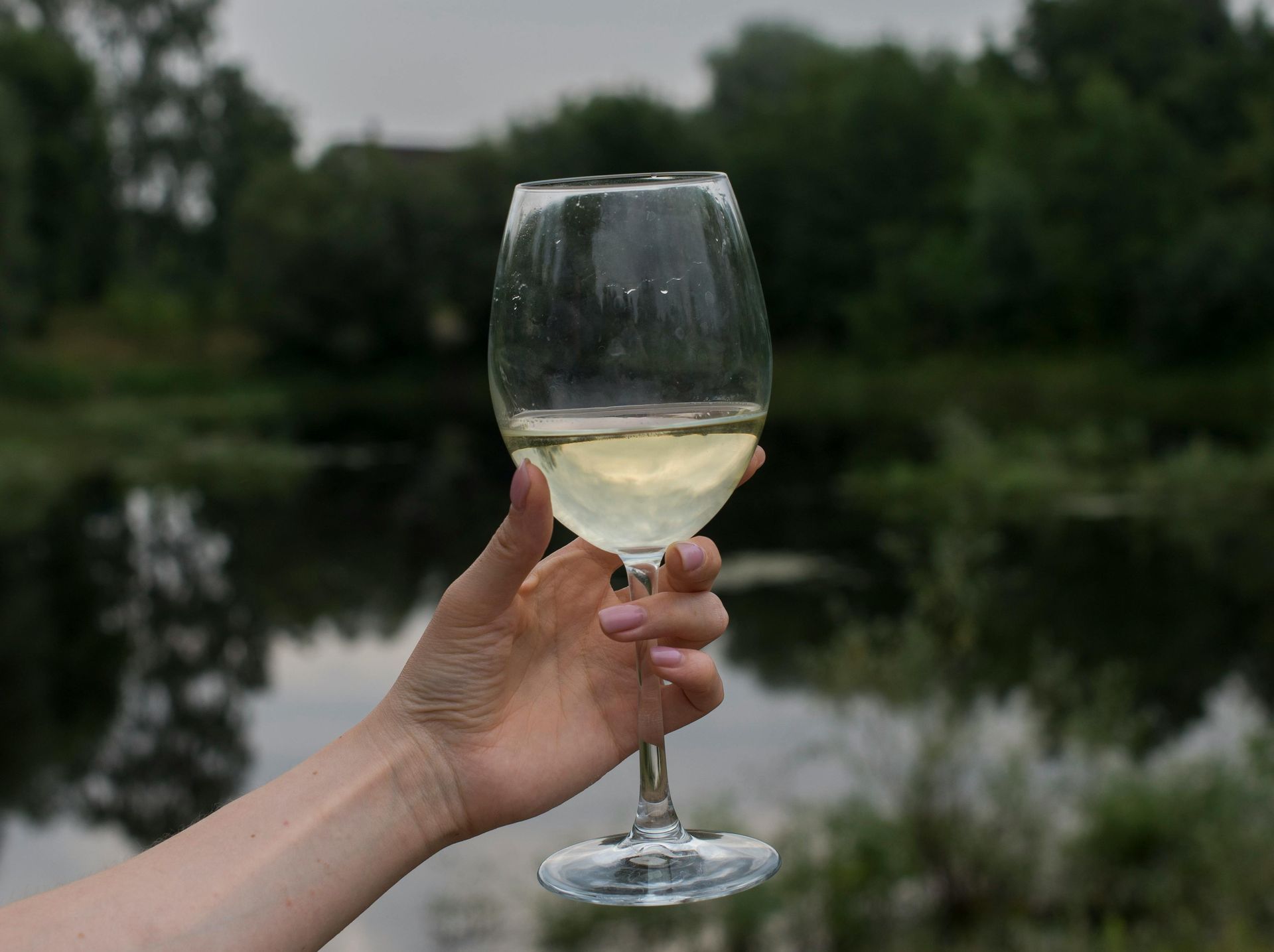
There’s something undeniably sophisticated about serving wine with finesse. Whether you're hosting a dinner party or enjoying a quiet evening with friends, mastering the art of wine presentation elevates the entire experience. From how you hold the glass to the way you pour, every detail matters. Holding the wine glass correctly Let’s be honest – no one wants to be that person awkwardly clutching their wine glass like it’s a science experiment. The key to elegance is in the grip. Always hold your wine glass by the stem, using your thumb, index, and middle finger. This not only looks refined but also prevents your hand from warming the wine or leaving smudges on the bowl. The goal is to let the wine shine—visually and aromatically—without interference. Think of it like this: you’re not just holding a glass, you’re holding a moment. A swirl of flavour, a hint of aroma, a sip of sophistication. So, grip that stem with confidence and a touch of sass. You’ve got this. Pouring wine with precision and grace Now that you’ve nailed the hold, let’s talk about the pour. Pouring wine isn’t just about getting liquid into a glass – it’s a ritual. Tilt the glass slightly and pour slowly, allowing the wine to flow smoothly. This controlled pour helps the wine breathe, releasing its full bouquet of aromas and flavours. Precision in pouring also shows respect—for the wine and for your guests. It’s a subtle way of saying: “I care about this experience.” Avoid overfilling the glass; a good rule of thumb is to fill it about one-third full. This leaves room for swirling, which enhances the wine’s aroma and taste. Final thoughts Serving wine with finesse is all about the details. A graceful hold, a thoughtful pour, and a confident attitude can transform a simple glass of wine into an elegant experience. Whether you're a seasoned sommelier or just starting your wine journey, these small touches make a big impact. So next time you raise a glass, do it with style. Because wine isn’t just a drink – it’s an experience. And you, my friend, are the curator of that moment.
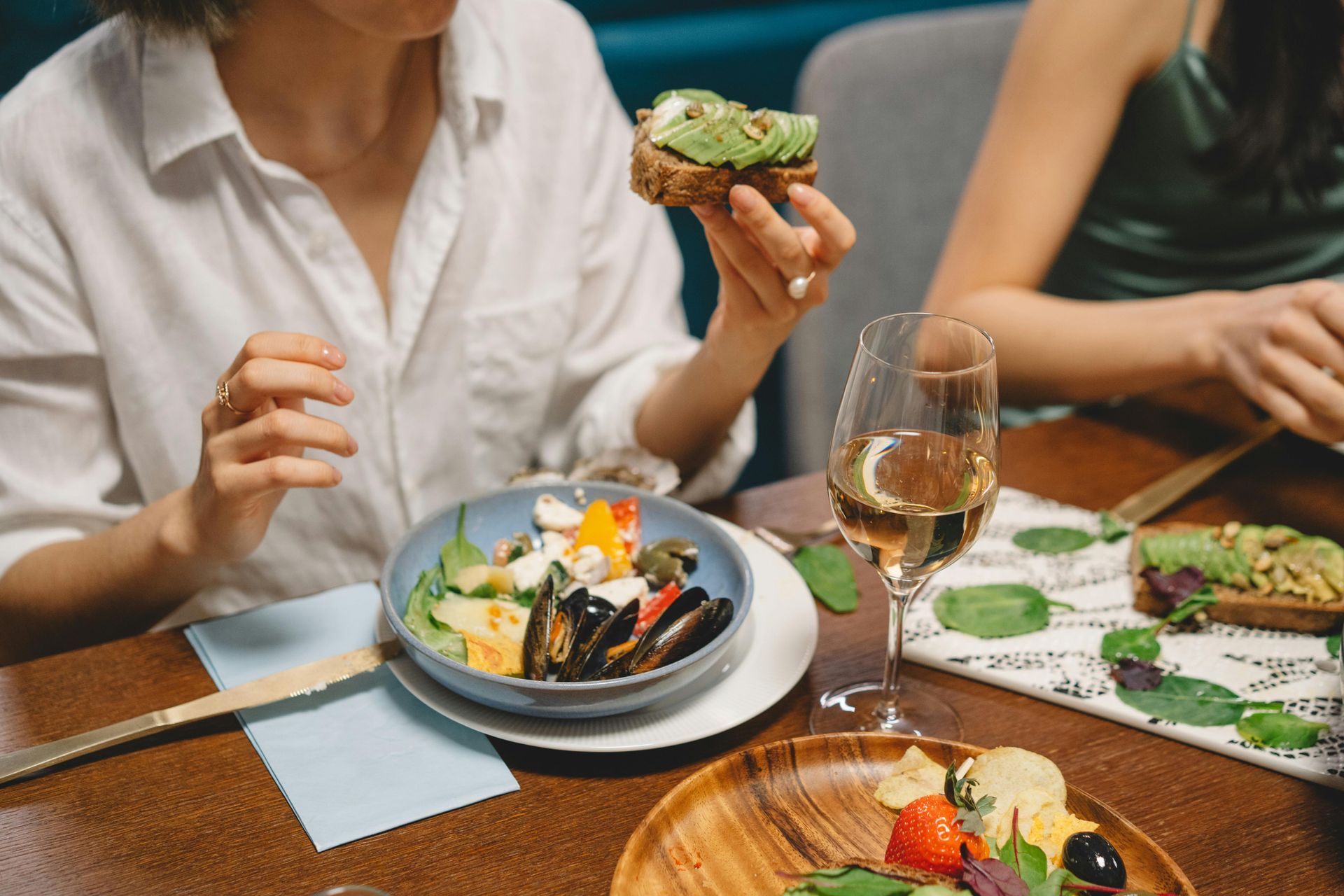
Whether you’re a seasoned wine enthusiast or just beginning your journey into the world of wine, understanding the finer points of wine etiquette can elevate your experience. From how to hold a glass to the ideal serving temperature, here are answers to some of the most frequently asked questions about enjoying wine with style and sophistication. How should you hold a wine glass? The way you hold a wine glass says a lot about your appreciation for the drink. Always grip the stem delicately between your thumb, index and middle fingers. This not only prevents your hand from warming the wine but also adds a touch of elegance to your presentation. Holding the bowl of the glass is a common mistake that can affect the wine’s temperature and your overall experience. What’s the proper way to aerate red wine? Aerating red wine is essential for unlocking its full flavour profile. The best method is to use a wide-bottomed decanter. Pour the wine slowly into the decanter, allowing it to mix with air and release its aromas. This process softens tannins and enhances the wine’s complexity. While red wines benefit most from aeration, some white wines can also improve with a bit of breathing time. Does glassware really matter? Absolutely! The shape and size of your wine glass can significantly impact the taste and aroma. For example, red wine glasses typically have a larger bowl to allow for better aeration, while white wine glasses are narrower to preserve delicate aromas. Using the correct glassware ensures you get the most out of every sip. What is the ideal serving temperature for wine? Temperature plays a crucial role in how wine tastes. Red wines are best served slightly below room temperature, around 60–65°F (15–18°C). White wines, on the other hand, should be chilled to about 45–50°F (7–10°C). Proper storage and serving techniques help maintain these temperatures and preserve the wine’s intended flavor. Should you swirl your wine before drinking? Yes! Swirling your wine is more than just a stylish gesture – it helps release the wine’s bouquet, enhancing your sensory experience. This technique is especially useful for wines that have been decanted, as it allows them to breathe and reach their full potential. Mastering these basics will not only improve your wine tasting skills but also add a layer of sophistication to your gatherings. Cheers to enjoying wine the refined way!
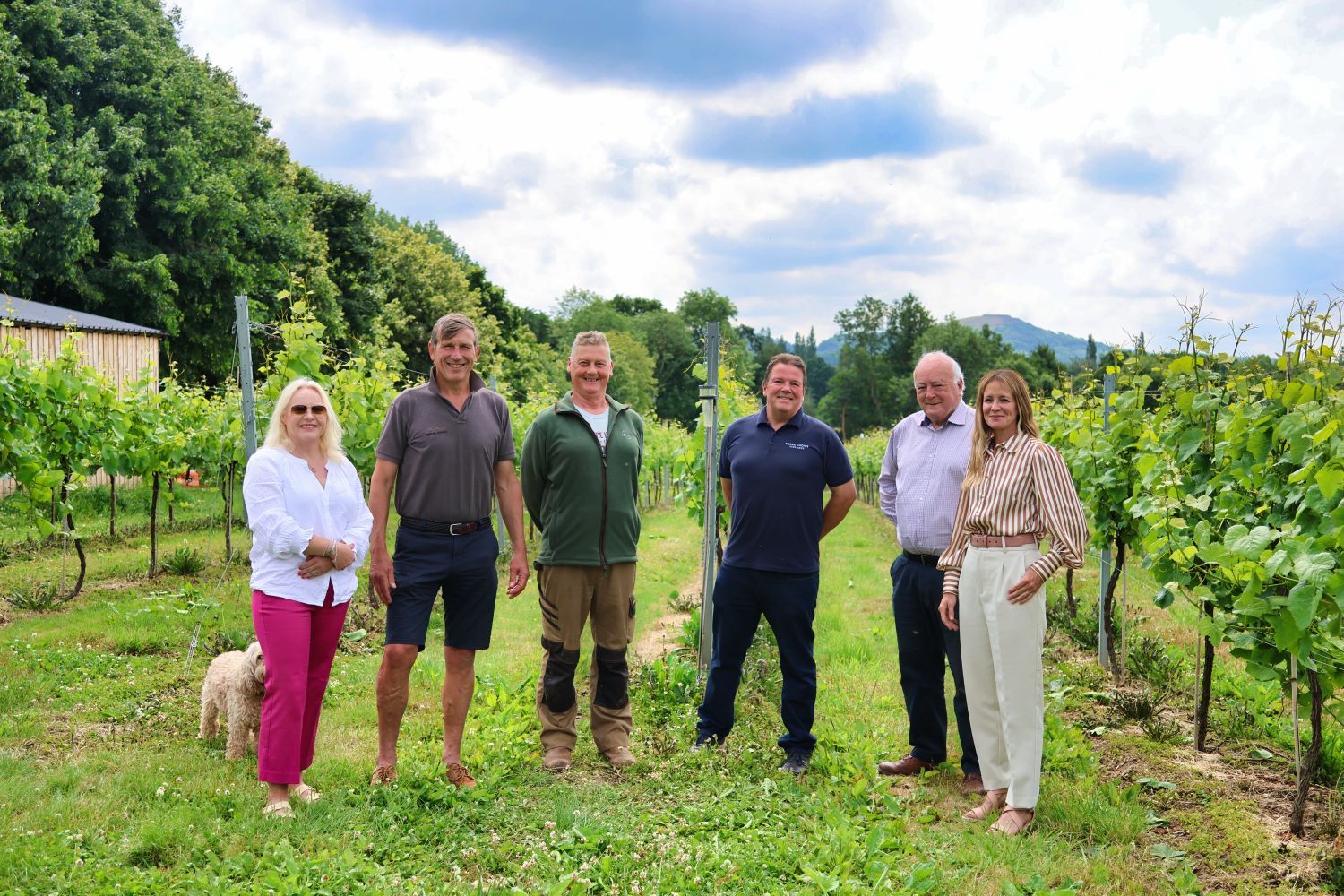
We’ve joined five other independent vineyards in Herefordshire, Gloucestershire and Worcestershire to pool our experience, expertise and reputation for growing great grapes and making excellent wines (September 2025) . The Malvern Hills Vineyards Collectively, we will be known as The Malvern Hills Vineyards and together we grow 14 grape varieties across more than 68 acres. We’re delighted to be collaborating with these wonderful vineyards on this joint venture. Excellent wines Making excellent wines is going from strength to strength in our area and together we want to capitalise on this and ensure we make our joint name better known national and internationally. We’re working together to raise awareness and interest in our sector and have a wonderful new website where people can find out more here . Tremendous growth The wine industry in the UK is experiencing tremendous growth and we’re delighted to be part of this. The Malvern Hills Vineyards group includes us and Three Choirs, Chase End, Bromesberrow Place, Marlbank and Two Beacons. Deep roots The character and story of each vineyard is unique, but what we all have in common is people with a passion for the art and craft of viticulture, and a respect for the soils that nurtures their vines. Winemaking has very deep roots in the Malvern Hills – grapevines were grown in the area back in Roman times. Production We’ve had some great production years recently including 2023, which was pretty near perfect in terms of the weather, the harvest and the number of bottles produced. 2024 proved a bit challenging with all the wet weather at the start of the year so it’s going to be interesting to see how we all fare in 2025, especially with the drier year we’ve had so far. Wine tourism WineGB’s ‘UK Wine Tourism in 2024 Report’ shows that visits to vineyards and wineries have risen by 55% and that vineyards and wineries are now actively involved in wine tourism. Good terroir Martin Fowke, Managing Director at Three Choirs says: “We’ve been growing grapes at Three Choirs since 1973, when this was a very innovative thing to do. The terroir has always been good for vines, and the effects of climate change now mean that we regularly have excellent growing conditions. Changing climate “In that time, we have seen huge changes in the shape of the market, with food and accommodation complementing the tours and tastings. Today, we are seeing more and more interest and desire to understand how we grow grapes, how we manage sustainably the vineyard and the winemaking, and how the changing climate is affecting quality, choices and practices.” Marl soils The youngest vineyard in our Malvern Hills Vineyards collaboration is Marlbank, where Manager Jeremy Macklin has experience working closely with vineyards in France. He says: “When I moved here in 2020, I discovered the marl soils were very similar to those in Burgundy, which produces excellent pinot noir grapes, so it was a bit of a ‘no-brainer’ to plant 1,500 pinot noir vines in a field where apples and pears used to grow.”